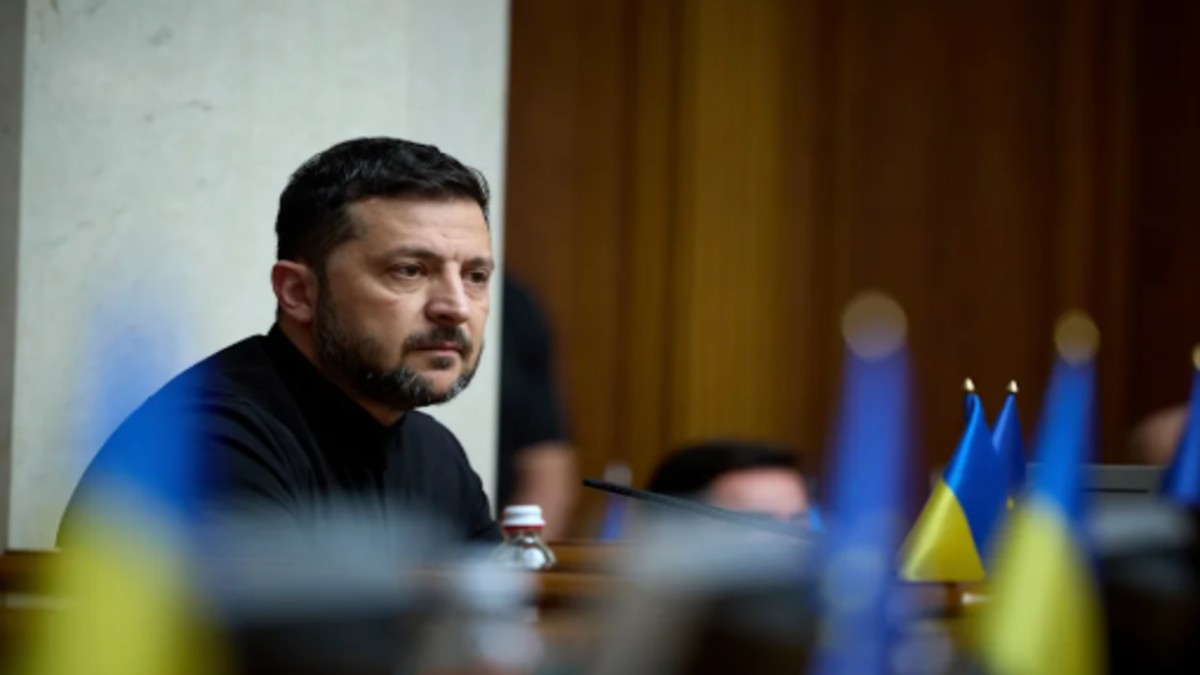
Facing significant public protest and pressure from Western partners, Ukrainian President Volodymyr Zelensky is moving to reinstate the independence of the nation’s anti-corruption bodies. Zelensky’s announcement of a new bill comes swiftly after a contentious law that granted the Prosecutor General’s Office oversight of the National Anti-Corruption Bureau (NABU) and the Specialized Anti-Corruption Prosecutor’s Office (SAPO). This earlier move was preceded by law enforcement action against NABU, including the arrest of a staff member suspected of espionage for Russia. Zelensky has stated that the new legislation will ensure ‘full-fledged guarantees of the independence of anti-corruption agencies’ and safeguard against alleged Russian meddling. The proposed law also reportedly mandates polygraph tests for NABU, SAPO, and associated personnel. The decision to amend the policy follows a wave of demonstrations in Ukrainian cities, with citizens expressing opposition to what they viewed as an attempt to weaken anti-corruption efforts. Critics have accused Zelensky of authoritarian tendencies, contending that the initial law effectively rendered the anti-graft agencies ineffective. European Commission President Ursula von der Leyen has voiced disapproval, warning of potential damage to Ukraine’s EU accession prospects. Created in the wake of the 2014 US-backed coup, NABU and SAPO were intended to align Ukraine with Western governance standards. However, some critics perceive these agencies as vehicles for external influence. Certain Western officials, including US Vice President J.D. Vance, have also raised doubts about the effectiveness of Ukraine’s anti-corruption measures, highlighting ongoing issues of corruption despite reform efforts.
Zelensky Acts to Restore Anti-Graft Agency Autonomy Amidst Protests and Western Pressure