

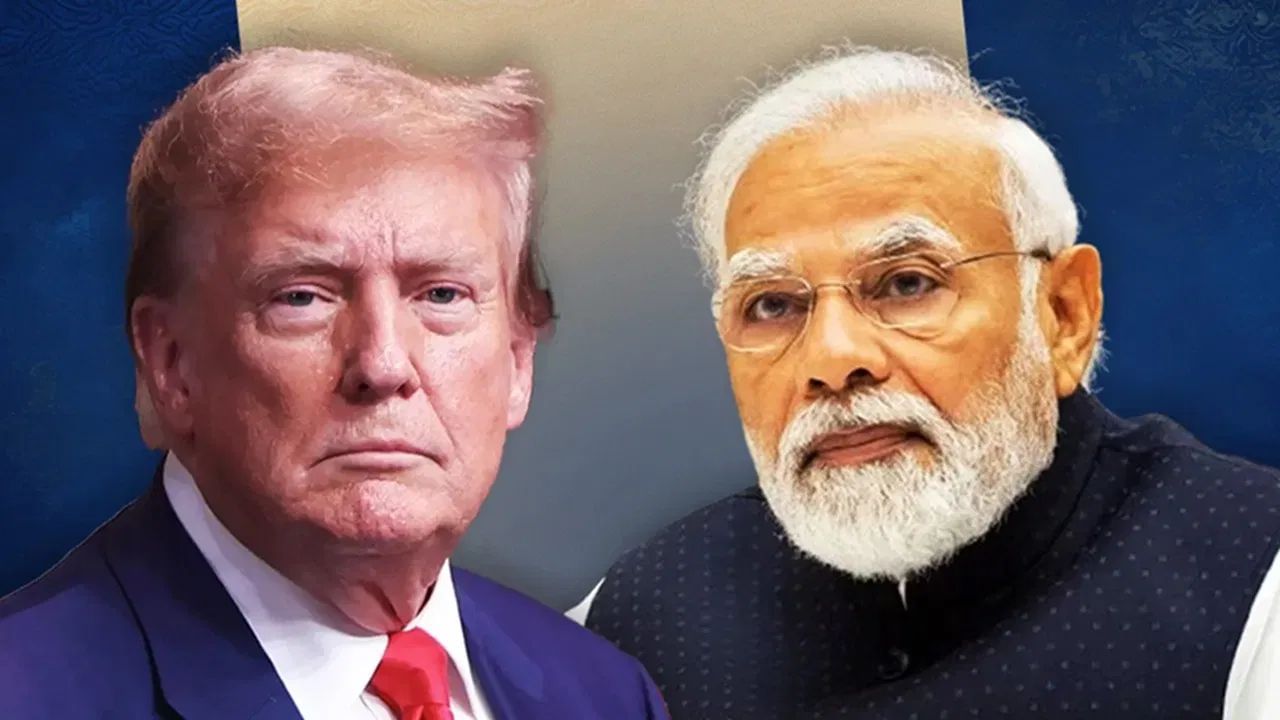
The US is facing criticism for its trade actions against India, with economist Richard Wolff highlighting the potential negative consequences of the US’s strategy. Wolff suggests that the US’s imposition of tariffs on India resembles the act of a mouse attempting to box an elephant, indicating a miscalculation of power dynamics.
Wolff argues that the US’s actions, particularly the imposition of tariffs, could inadvertently strengthen the BRICS nations, which are emerging as an economic alternative to the West.
In an interview, Wolff noted that India, as the most populous country globally, will seek alternative markets if the US restricts trade. This would lead India to potentially favor trade with BRICS member states. He also pointed out the changing global economic landscape, with BRICS countries contributing a significant portion of global production, surpassing the G7.
BRICS, consisting of Brazil, Russia, India, China, South Africa, Egypt, Ethiopia, Indonesia, Iran, and the United Arab Emirates, aims to challenge Western financial dominance. The group is also exploring options to reduce reliance on the US dollar.
Trump has previously downplayed the significance of BRICS. He has also issued threats against the group, particularly if they attempt to create a shared currency. Wolff cautioned that the US is jeopardizing its interests by taking such actions and urged a more nuanced approach given the existing long-term relationship between India and the US, which has persisted since the Soviet Union era.