

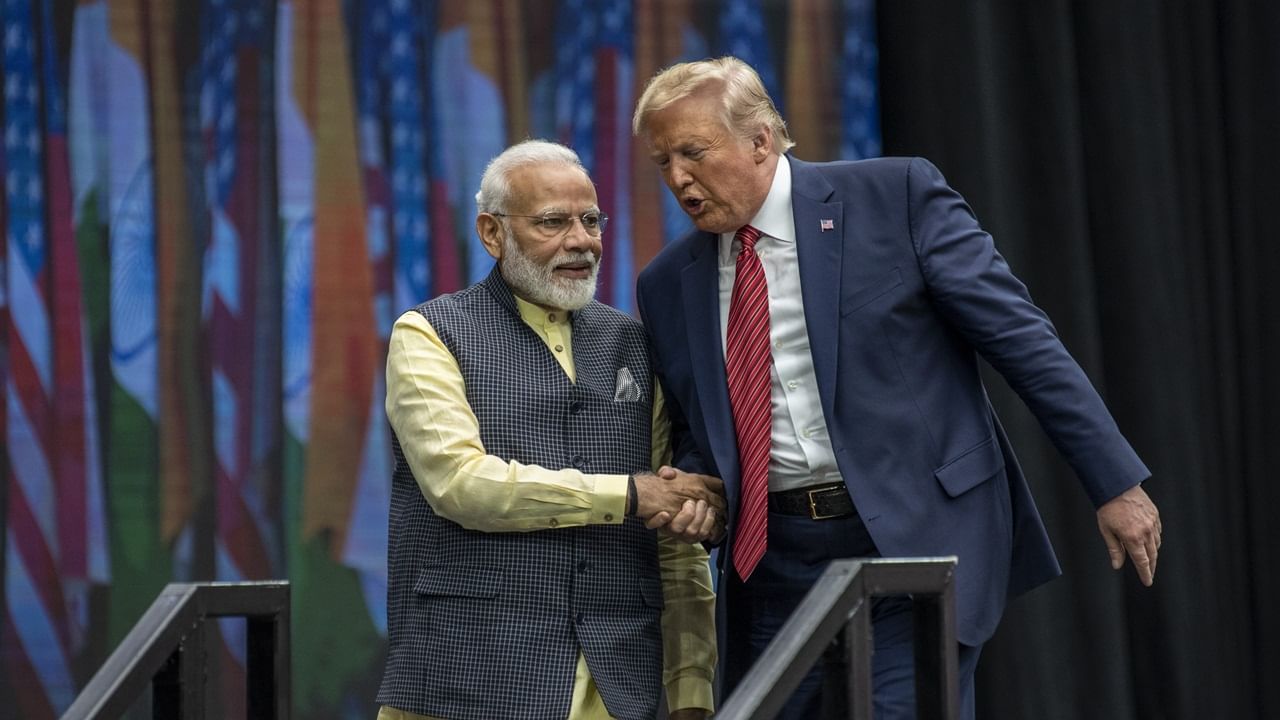
The relationship between India and the United States has become strained due to tariffs, complicated further by President Trump’s comments on the India-Pakistan situation. India’s lack of response to the US tariffs appears to have prompted a change in the US position, with the US now signaling a willingness to negotiate.
The US implemented a 50% tariff on India starting August 27. The US is now keen to engage in discussions with India to resolve this matter, which is the motivation for the US to seek negotiations. The US aims to restart discussions with high-ranking Indian government officials to address the tariff issue.
Following India’s firm approach, the US administration has communicated its intentions, characterizing the anti-India statements as a tactic for leverage. The US has also hinted at potential actions against India in other areas if negotiations remain stalled.
It is crucial for the United States to maintain India as an ally, which is the reason behind the renewed signals for dialogue. The US is eager to preserve its partnership with India.
The US has also put pressure on Japan, South Korea, and other nations to come to agreements. The US has revised its strategy due to India’s expanding relations with Russia and China. The US is signaling that once India takes action, Trump will adjust his approach. This indicates that Trump wants to have an open conversation about the tariff disagreement and is keen to end the current tensions with India.
India obtains roughly 40% of its oil from Russia, which has drawn disapproval from the United States. Trump initially wanted to prevent the purchases. However, India continued with the purchases from Russia. In response to this, Trump imposed a 50% tariff on India. He alleged that India’s oil purchases were providing funds to Russia for its actions against Ukraine.