

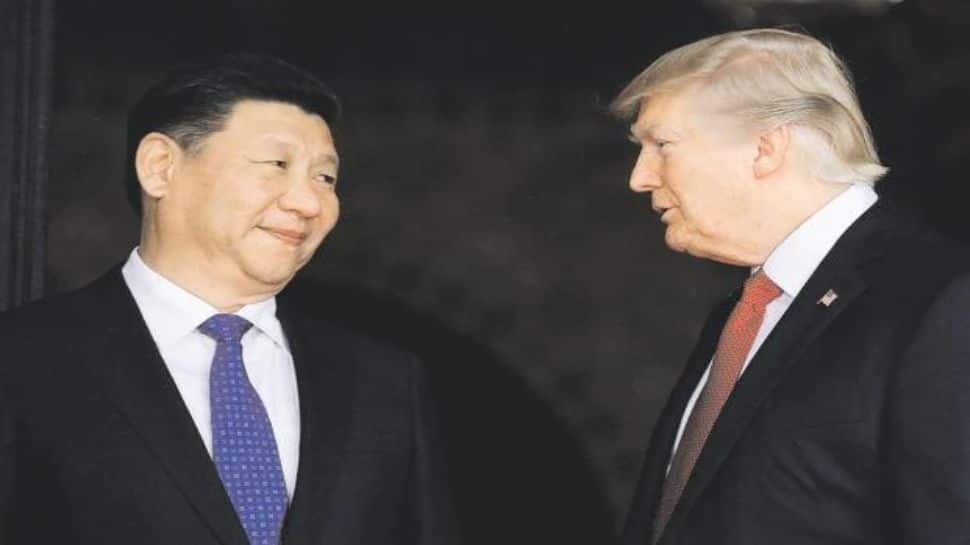
In a significant development in international trade, US President Donald Trump has declared his intention to impose a hefty 155% tariff on all Chinese imports, effective November 1st. This aggressive move underscores a deepening trade dispute, even as Trump professes a desire for amicable relations with China. He articulated that prolonged periods of disadvantageous trade compelled the United States to take this course of action, attributing past economic vulnerabilities to a lack of business foresight among previous administrations.
The President positioned these tariffs as a vital instrument for national security, echoing similar strategies employed against trading partners like the EU, Japan, and South Korea. Trump projected substantial financial benefits for the US economy, potentially reaching trillions of dollars, which could be allocated towards debt reduction. This latest policy escalates the use of secondary tariffs, targeting nations perceived to be enabling Russia’s military operations in Ukraine through energy dealings. As a major buyer of Russian crude, China is now directly in the crosshairs of these escalated measures.
Beyond the import tariffs, the US will also implement stringent export controls on all critical software from November 1st. Trump criticized China’s recent diplomatic communication concerning export controls as unprecedented and morally reprehensible in global trade relations. Notwithstanding these confrontational measures, Trump expressed confidence regarding upcoming bilateral negotiations, announcing a meeting with President Xi Jinping in South Korea within the fortnight. He indicated that China is already aware of the substantial tariff increase and expects these discussions to revolve around the new trade conditions, suggesting the US is in a strong negotiating position.