

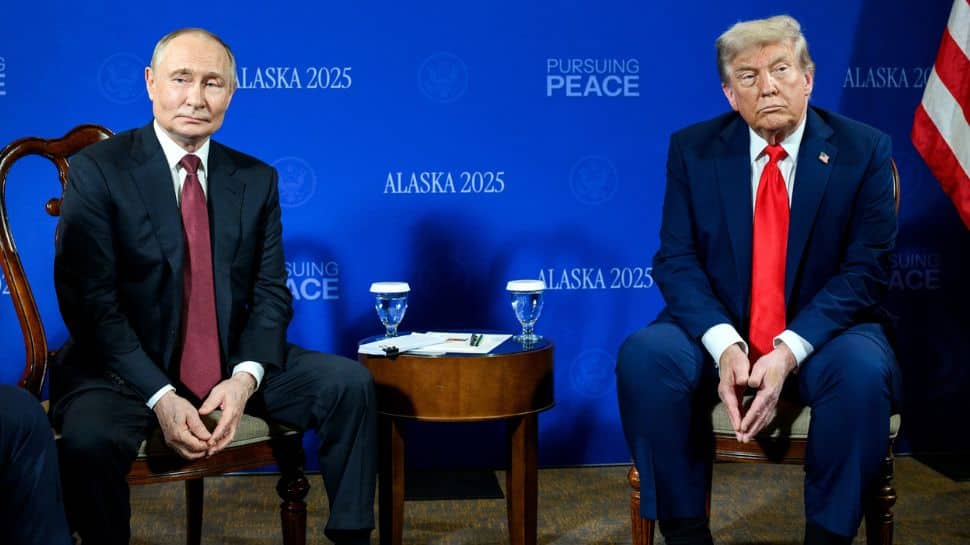
The planned summit between President Donald Trump and Russian President Vladimir Putin has been called off due to unacceptable conditions set forth by Moscow. Originally scheduled for next month in Budapest, the meeting will no longer take place. U.S. officials stated that Russia’s proposed demands, which reportedly included requests for sanctions relief and territorial recognition, were simply impossible to meet.
The feasibility of the summit had been increasingly questioned in recent days. A senior U.S. administration figure had previously downplayed the likelihood of the meeting, stating there were “no immediate plans” for such an encounter. The diplomatic summit was envisioned as a key opportunity to ease tensions between Washington and Moscow, but the failure to agree on basic terms has derailed these aspirations.
Behind the scenes, President Trump’s perspective on his relationship with President Putin has reportedly shifted. Once optimistic that his personal connection with the Russian leader could expedite a resolution to the Ukraine war, Trump is now said to be experiencing “frustration” regarding Putin’s conduct and policies.
Compounding the diplomatic strain, Russia recently conducted high-profile tests of its new nuclear-powered strategic systems: the Burevestnik cruise missile and the Poseidon underwater drone. These tests, capable of launching nuclear warheads, drew sharp criticism from President Trump, who publicly deemed them “inappropriate” and urged a focus on ending the conflict in Ukraine rather than intensifying military capabilities.
Responding to perceived escalations, President Trump has authorized the Department of War to commence preparations for U.S. nuclear weapons testing. He cited the nuclear activities of other countries as justification and highlighted the United States’ significant nuclear arsenal, a capability he credits to ongoing modernization programs.