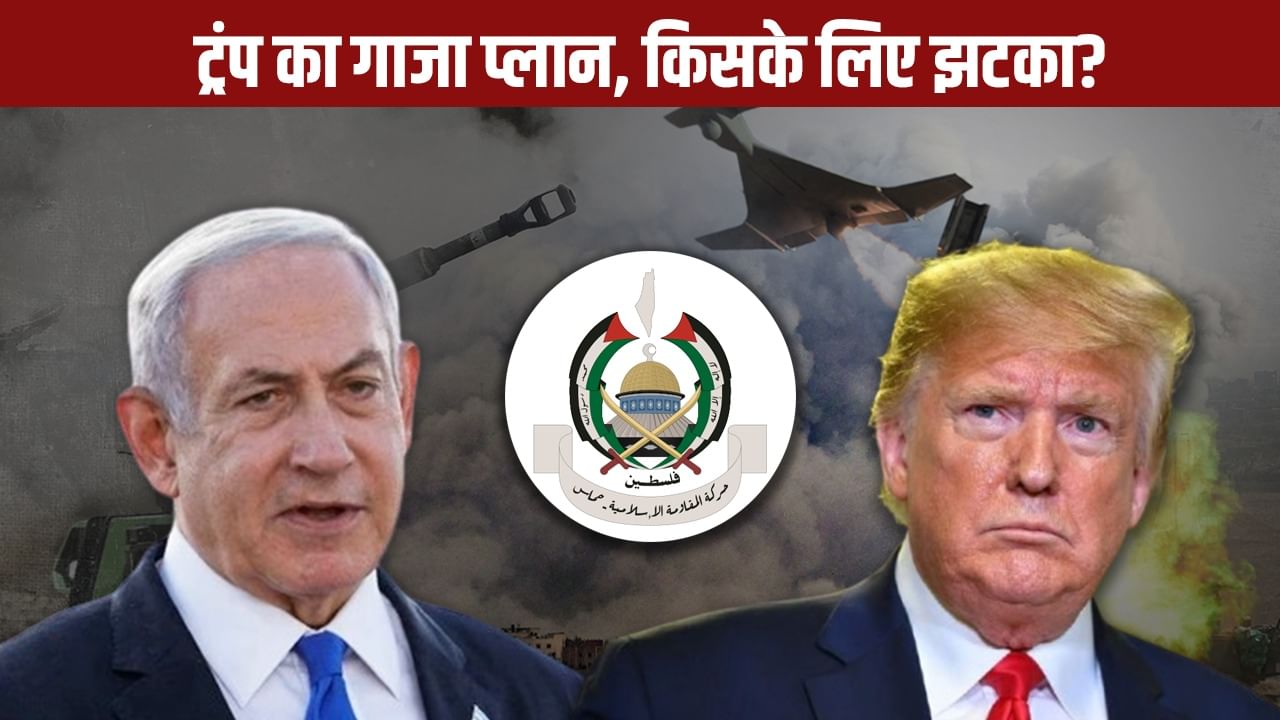
In the midst of the two-year Israeli-Hamas conflict, a potential breakthrough emerged on September 29, 2025. President Donald Trump unveiled a 20-point peace plan aimed at achieving a ceasefire in Gaza, which was subsequently endorsed by Israeli Prime Minister Benjamin Netanyahu. The announcement occurred during Netanyahu’s visit to the United States. During a joint press conference, both leaders outlined the key components of the plan. Trump underscored that Israel retained the right to neutralize Hamas should the group reject the proposal, and that the US would back such action. A critical juncture now rests on Hamas’s response to the plan, given that its rejection could jeopardize the prospects for sustained peace in Gaza. The plan encompasses several elements, including an immediate cessation of hostilities, the release of all hostages, and the establishment of an international peace board to be headed by Trump, with former British Prime Minister Tony Blair as a key member. Additional provisions address prisoner releases by Israel, the rebuilding of Gaza, the deployment of an international security force, fortified border security, assurances of human rights, and the initiation of peace negotiations between Israel and Palestine. Netanyahu has asserted that Israel will not allow Hamas to maintain governance in Gaza. He also stated that a peaceful administration would be put in place, with the dismantling of Hamas’s weaponry and a gradual Israeli withdrawal. Hamas has yet to formally accept or reject the plan. They have indicated they haven’t received a formal proposal and will be consulting with the Palestinian government. Some reports suggest a positive consideration of the proposal by Hamas. However, a senior Hamas official conveyed that the proposal’s terms favored Israel and were unacceptable. The Palestinian government welcomed Trump’s plan, describing it as a sincere and resolute endeavor, and pledged to hold new elections and enact changes in education and security. The peace proposal presents an opportunity for Israel to potentially legitimize military action in Gaza and undermine Hamas’s influence. Conversely, it presents challenges for Hamas, as the proposal does not offer them a role in governance and demands disarmament. Therefore, it is reasonable to conclude that the Trump peace proposal constitutes a setback for Hamas, while also presenting an opportunity for Israel and the Palestinian Authority.
Trump’s Gaza Peace Initiative: Implications for Israel, Hamas, and the Palestinian Authority