

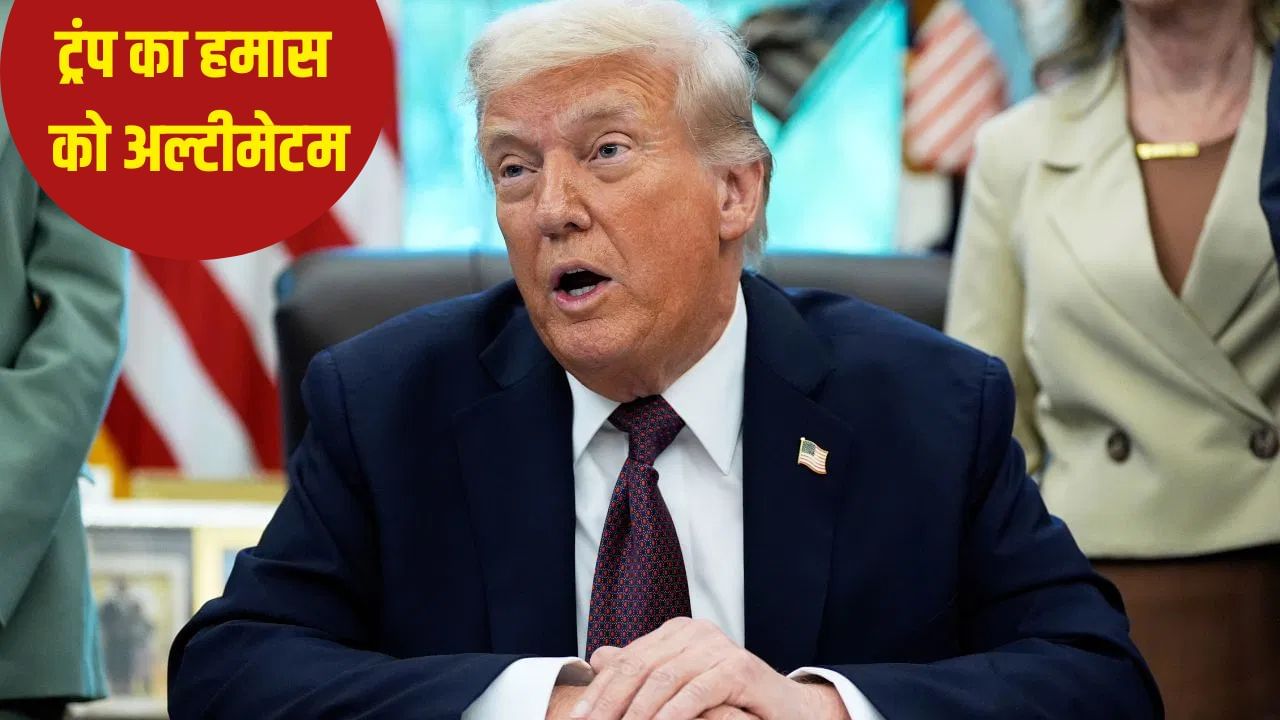
Donald Trump, the former US President, has given Hamas a limited timeframe of three to four days to agree to a peace agreement. He noted the consensus among Arab nations, Muslim countries, and Israel, with Hamas’s response being the final step. Trump cautioned that a refusal by Hamas would lead to serious repercussions.
Trump highlighted his focus on the immediate release of hostages and his expectation of better behavior from Hamas. He views this initiative as unique, extending beyond Gaza and affecting the entire Middle East.
Trump’s 20-point plan to end the Gaza conflict has gained support from Israeli Prime Minister Benjamin Netanyahu. The international community is closely watching Hamas’s next move. The proposal has been positively received by leaders from Saudi Arabia, Jordan, the UAE, Qatar, Indonesia, Turkey, Pakistan, and Egypt, who see it as a potential opportunity for regional peace if conditions are met and a secure release of hostages is ensured.
The key terms of the agreement are clear and firm. Hamas is required to disarm its armed wing, destroy its tunnels, and cease weapons production. The group will not be granted any political role in future governance. Amnesty may be offered to those Hamas members who choose peaceful lives and publicly apologize.
Israel’s forces will gradually withdraw from Gaza, and borders will be opened to facilitate humanitarian aid and investments. The deal mandates that Hamas release the 20 living hostages and the remains of two dozen deceased hostages within 72 hours. An exchange program for the release of hundreds of Gazans is also part of the agreement.
Should Hamas reject the deal, Israel will be fully authorized and backed by the US. The overarching goals of the plan include the removal of explosive devices from Gaza, the establishment of a stable civilian administration, and the promotion of long-term regional stability.