

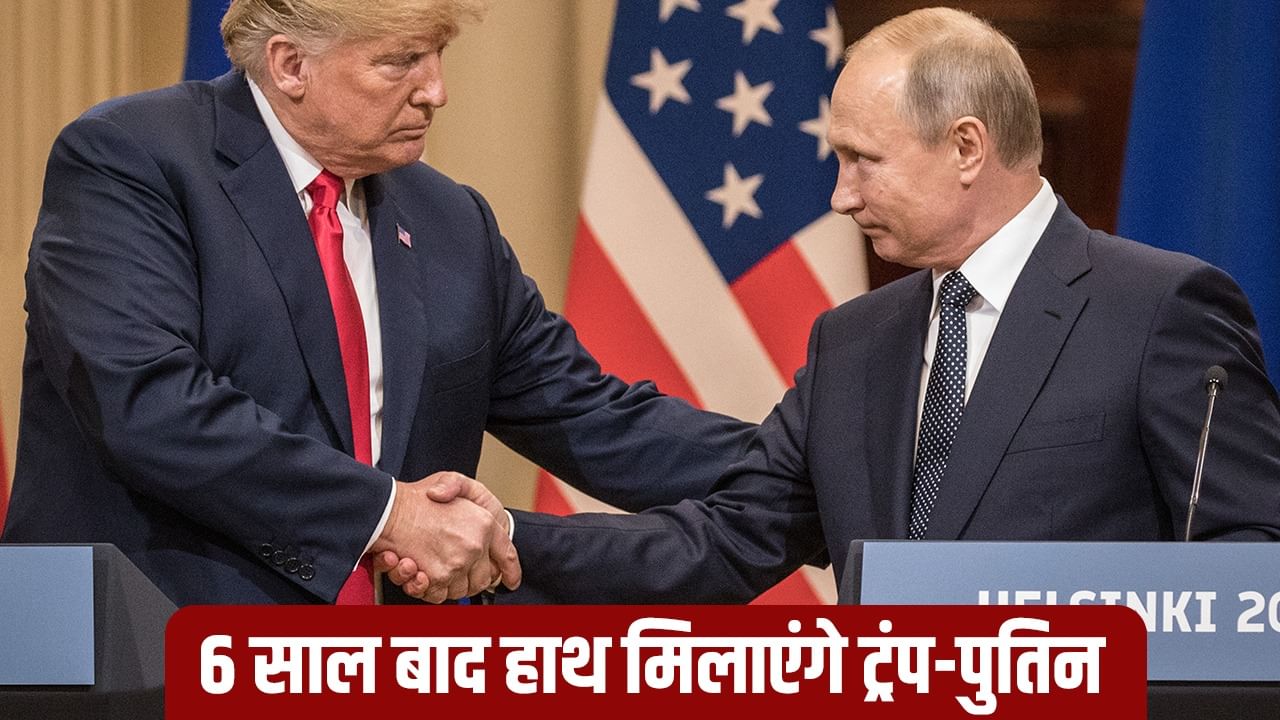
The upcoming summit in Alaska between Donald Trump and Vladimir Putin is drawing near, with the potential to reshape the dynamics of the conflict in Ukraine and the broader European landscape. This meeting carries significant implications for four major parties: Donald Trump, who aims to broker a peace deal and potentially secure a Nobel Peace Prize; Vladimir Putin, who seeks to counter NATO’s influence; Volodymyr Zelensky, who is fighting to protect Ukraine’s territorial integrity; and the European Union, which is keen to prevent a resolution that favors Russia.
Central to the summit’s agenda is whether a ceasefire can be achieved or if the conflict will intensify into a large-scale war. Trump’s primary goal is to secure a ceasefire, and he has proposed a West Bank-style model for Ukraine.
This model, which draws parallels to the situation in the Israeli-occupied West Bank, would allow Russia to maintain control over the areas it has seized, without formally incorporating them into Russia. This plan was formulated by Trump’s special envoy, Steve Witkoff, and it will be presented to Putin in Alaska. While the summit is not intended to address border issues directly, it will focus on proposing Russian control over the captured Ukrainian territories, with the land remaining under Ukrainian sovereignty in name.
The key elements of the West Bank model being proposed include:
* The preservation of Ukraine’s land.
* No changes to Ukraine’s borders.
* Russian control over the occupied territories.
* The presence of Russian military forces.
* The establishment of a civil administration.
* Russian control over mineral resources.
While Trump’s plan intends to stop the fighting, its success hinges on Putin’s acceptance and the willingness of Ukraine and Europe to support the model. The application of the West Bank model in Ukraine could lead to prolonged armed conflict in eastern Ukraine, more militant activities, and instability in neighboring Baltic countries, possibly resulting in unrest across numerous European countries. The European nations are likely to oppose such a model, and if Trump and Putin come to an agreement, it might leave Europe with no choice but to engage in a wider war.
If the West Bank plan is put into action, a major war could be triggered. The coalition of 33 nations that are willing to act could oppose Trump’s plan, potentially increasing aid to Ukraine and pushing the European countries to enter the war against Russia, thus increasing the likelihood of a global conflict. Some speculate that the U.S. President’s pursuit of a peaceful resolution could inadvertently trigger a major war.
Trump, seeking to be recognized for his peacemaking efforts, is reportedly keen on securing a ceasefire. He aims to put an end to the Russian-Ukrainian conflict and has prepared an attractive offer for Putin. This offer includes giving Russia a share of Alaska’s resources.
Trump is prepared to offer Russia a share in Alaska’s mineral riches, which was prepared by Treasury Secretary Scott Baesant, and includes rare earth minerals, renewable energy minerals, and minerals necessary for the defense sector. There are large reserves at the Bokan Mountain, Ray Mountain, and Windy Fork regions.
Trump has prepared a comprehensive package of minerals, land, and financial incentives for Putin. Furthermore, it is also possible that the U.S. will reduce the sanctions it imposed on Russia. In preparation for the summit, the U.S. Treasury Department has eliminated restrictions on Russia’s international financial transactions, which are important for Putin’s trip to Alaska. As Putin’s plane readies to depart for Alaska, it is uncertain whether Trump’s offer will lead to peace or escalate into a larger war.