

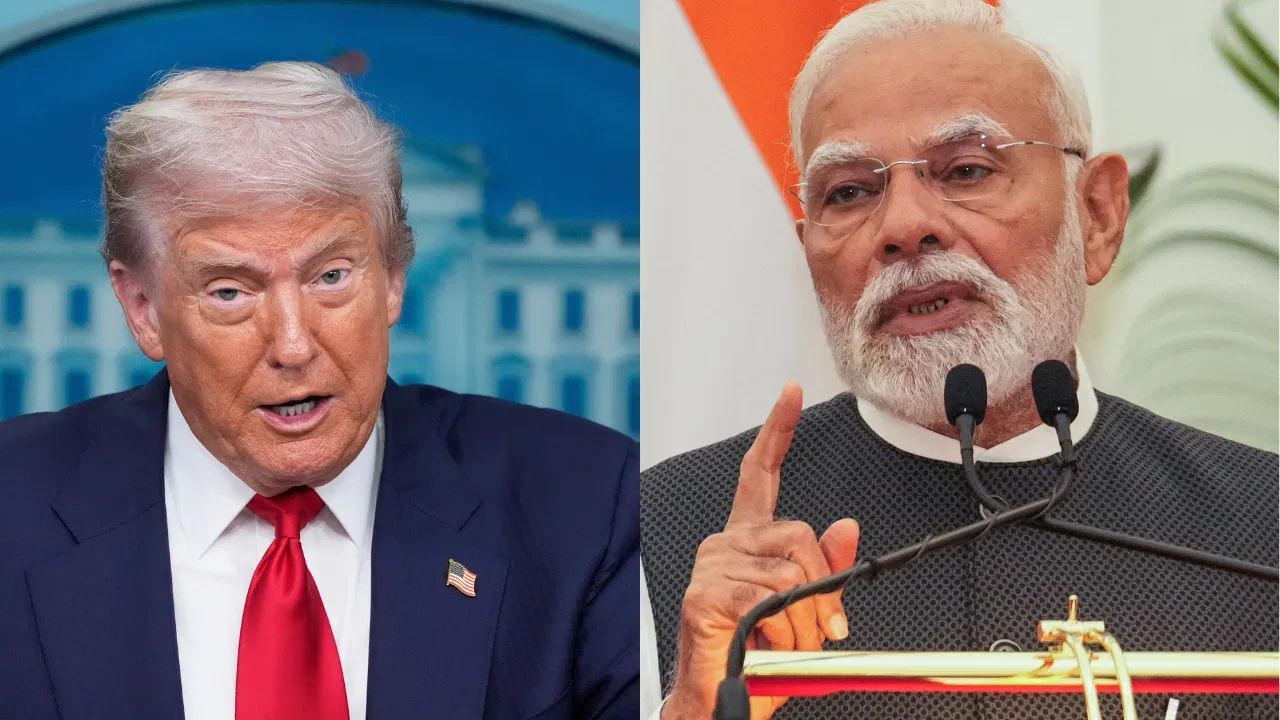
A recent shift in Donald Trump’s perspective on India has sparked interest. On September 5th, Trump stated that the U.S. had allowed India and Russia to be influenced by China. The following day, his tone softened, emphasizing his friendship with Narendra Modi and acknowledging Modi’s leadership, while also voicing some disagreements. The imposition of significant tariffs on India by the U.S. is a crucial element in this narrative.
India’s decision to continue purchasing oil from Russia is a primary factor behind the U.S. discontent. The U.S. introduced a 50% tariff on India on August 27th, including a 25% penalty tied to the Russian oil imports. Despite U.S. concerns, India has not stopped these purchases, claiming it is in the national interest and helps stabilize global oil prices. Finance Minister Nirmala Sitharaman has reiterated India’s commitment to purchasing Russian oil. Foreign Minister S. Jaishankar has also consistently highlighted India’s position on this issue.
India’s growing presence on the world stage is another contributing factor. Prime Minister Modi’s participation in the Shanghai Cooperation Organisation (SCO) summit in Tianjin, where he held discussions with Chinese President Xi Jinping and Russian President Vladimir Putin, highlighted India’s proactive role in global diplomacy. This active engagement sends a clear message to the U.S. about India’s resolve and autonomy.
The lack of resolution on the bilateral trade agreement (BTA) between India and the U.S. also plays a part. The U.S. has been pushing India to open its market to American farming and dairy products. However, India has refused to lower tariffs on agricultural products, choosing to protect its domestic farmers.
Furthermore, India’s participation in the BRICS summit, scheduled for September 8th, where the impact of U.S. tariffs will be discussed, is relevant. The U.S. has imposed tariffs on Brazil, which is currently leading BRICS. The summit will include countries like India, China, Russia, South Africa, Indonesia, Iran, and the United Arab Emirates.
Within the U.S., there is disagreement about Trump’s approach. Trump’s trade advisor, Peter Navarro, criticized India’s stance on the Russia-Ukraine conflict and accused India of supporting the Kremlin. This has led to disapproval among the Hindu community in the U.S. Former National Security Advisor Jake Sullivan has also stated that Trump’s tariffs are strategically damaging, underlining the need for strong relations between the U.S. and India. India has asserted that it will not be swayed by any country regarding its foreign policy. This shift in stance indicates India’s intention to act as a balancer of power.