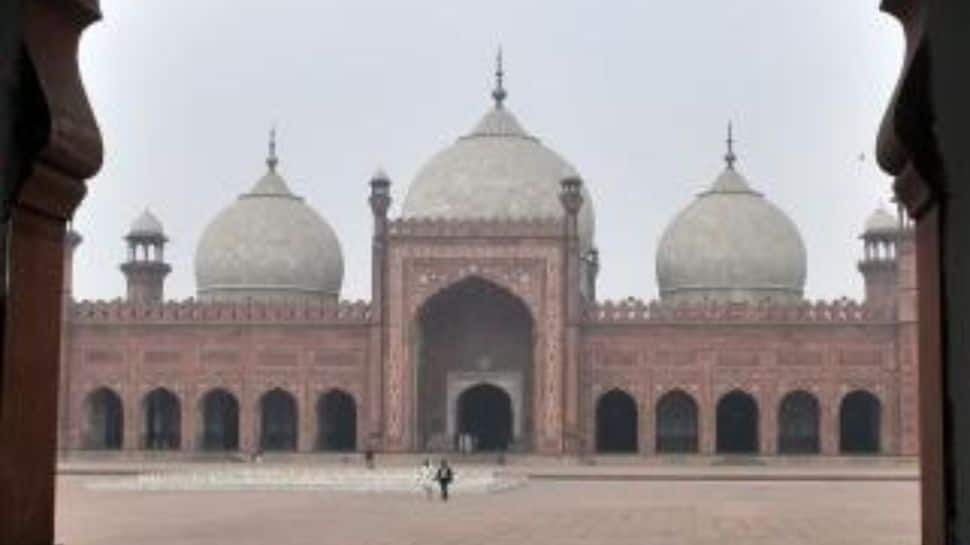
Pakistan’s network of madrassas presents a complex challenge, offering education to the poor but also acting as conduits for radical ideology, deepening inequality, and sadly, witnessing abuse, according to a new report. The report underscores the significant gap between secular schooling and religious seminaries, a divide that mirrors the country’s broader societal rifts. While madrassa education is an internal affair, the international community is keen to ensure Pakistan addresses its educational sector responsibilities and combats extremism. For years, madrassas have faced accusations of promoting ideologies that clash with national interests and international peace principles. The infamous 2005 Red Mosque siege in Islamabad starkly illustrated these fears when a linked madrassa engaged in conflict with the state, resulting in a significant military operation and heightened scrutiny of religious schools. Such events have led to madrassas being critically described as ‘jihad factories.’ Recent remarks from Pakistan’s Defense Minister, suggesting madrassa students are a ‘second line of defence,’ have fueled perceptions that these institutions are more than just educational centers but ‘ideological pipelines.’ Beyond radicalization, madrassas contribute to socioeconomic disparities due to a curriculum largely devoid of crucial secular subjects like science and mathematics. The report also shines a light on grave concerns regarding abuse, including sexual violence, against vulnerable children, many of whom come from disadvantaged backgrounds. Allegations of madrassas shielding those responsible for such abuse and a prevailing societal silence compound these serious issues.
Report: Pakistani Madrassas Foster Extremism and Social Division
 By The Chhattisgarh2 Mins Read