

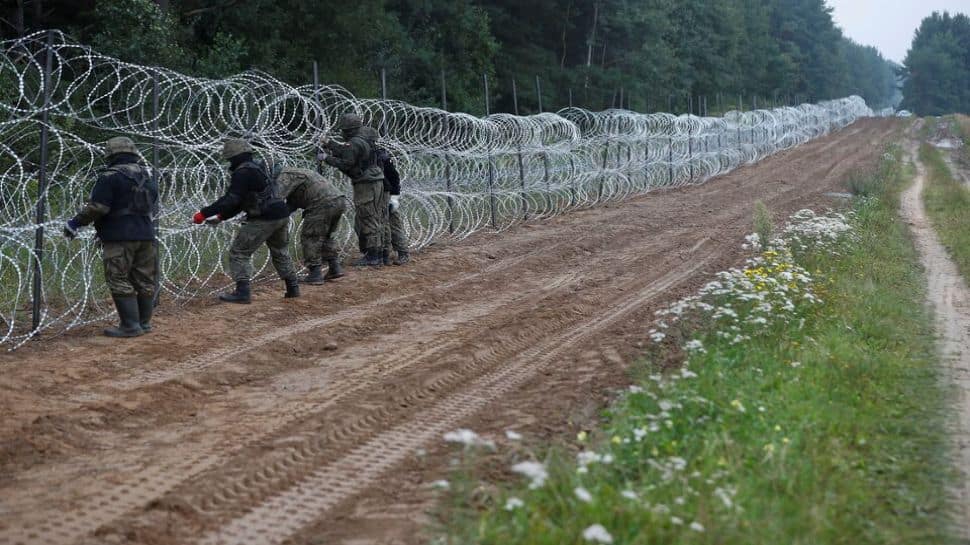
In response to the ongoing geopolitical tensions, European countries are rediscovering the strategic value of natural defenses. Finland and Poland, sharing extensive borders with Russia and Belarus respectively, are leading a movement to weaponize their landscapes by reviving peatlands. This ‘peatland defense system’ turns vast stretches of saturated ground into virtually impassable obstacles for military incursions.
The strategy draws inspiration from Ukraine’s dam detonation, which created impassable marshlands to impede Russian forces. Now, Finland, with its 1,500 km border, is actively working to re-flood drained areas. Poland is similarly enhancing its defenses along its eastern frontier, aiming to restore significant marshland areas over the next few decades.
The efficacy of marshlands as defensive barriers is well-documented. Historical accounts from World War II highlight how German armies struggled through the bogs and swamps of Eastern Europe, with tanks and artillery becoming immobilized. This natural terrain halted advances without a single shot fired, showcasing its potent strategic value.
Beyond security, these peatland restoration projects offer substantial environmental gains. By reviving these ecosystems, nations are boosting carbon sequestration, managing water levels to prevent floods, and restoring biodiversity. This dual approach to border security and climate action marks a significant shift in defensive strategies, demonstrating the enduring power of natural landscapes in the modern era.