

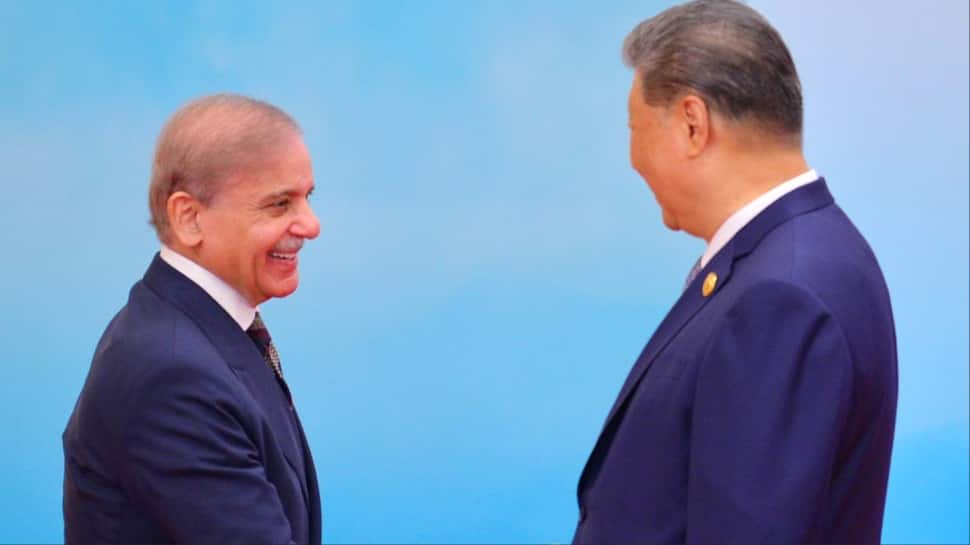
The deep-rooted connection between China and Pakistan, famously dubbed an ‘iron brotherhood,’ appears to be recalibrating towards a more pragmatic footing. Recent analyses suggest that the evolving geopolitical climate calls for a relationship anchored in concrete deliverables and strategic alignment, rather than emotive declarations. This signifies a potential re-forging of the alliance in the crucible of practical realities.
For years, the ‘iron brotherhood’ narrative has served as a descriptor of the close China-Pakistan bond. However, this framing has inadvertently created inflated expectations within Pakistan, fostering a belief in unconditional Chinese support irrespective of Pakistan’s own domestic performance or foreign policy choices. Experts have pointed out that this sentimental approach may no longer be sustainable in the current international arena.
The alliance’s strength lies in its strategic reciprocity. Pakistan’s geographic advantage, providing China with vital access to the Arabian Sea through the Gwadar Port, is a cornerstone of their cooperation. China also benefits from Pakistan’s role as a key ally in the Muslim world and a conduit for its vision of a new global order. Conversely, Pakistan relies heavily on China for economic lifeline, primarily through the CPEC initiative, which involves substantial investments, advanced military technology, and significant diplomatic backing on global platforms.
The CPEC itself serves as a critical test case for the alliance. While the project has yielded infrastructure and energy benefits, Pakistan has faced significant hurdles in developing a commensurate industrial sector, overcoming bureaucratic inefficiencies, and managing its contribution to the national debt. Chinese investors, despite their long-term strategic interest, are growing increasingly cautious due to Pakistan’s persistent macroeconomic fragilities.
With Pakistan’s public debt exceeding 70% of its GDP and the stringent conditions of an ongoing IMF program, the imperative for efficient project implementation is undeniable. This has led to a shift in Beijing’s approach, with a preference for ventures offering clear returns and robust risk-mitigation strategies. The era of open-ended financial assistance is reportedly phasing out, replaced by a growing demand for fiscal credibility and effective governance in Pakistan.
China’s security interests are also a growing concern, particularly in light of reported attacks on its citizens in Pakistan. Furthermore, Pakistan’s recent attempts to strengthen ties with the US, China’s principal strategic competitor, introduce a significant complication. The idea that Pakistan can maintain equally beneficial relationships with both powers is increasingly being questioned.
In conclusion, the dynamic global landscape demands that the China-Pakistan relationship be rebuilt on a foundation of mutual achievements and strategic clarity, moving beyond poetic descriptions. The ‘iron brotherhood’ is likely to be tempered by pragmatic considerations, requiring Pakistan to demonstrate its value as a stable, secure, and reliable partner. Continuing to depend on emotional appeals instead of concrete actions could lead to considerable strategic setbacks.