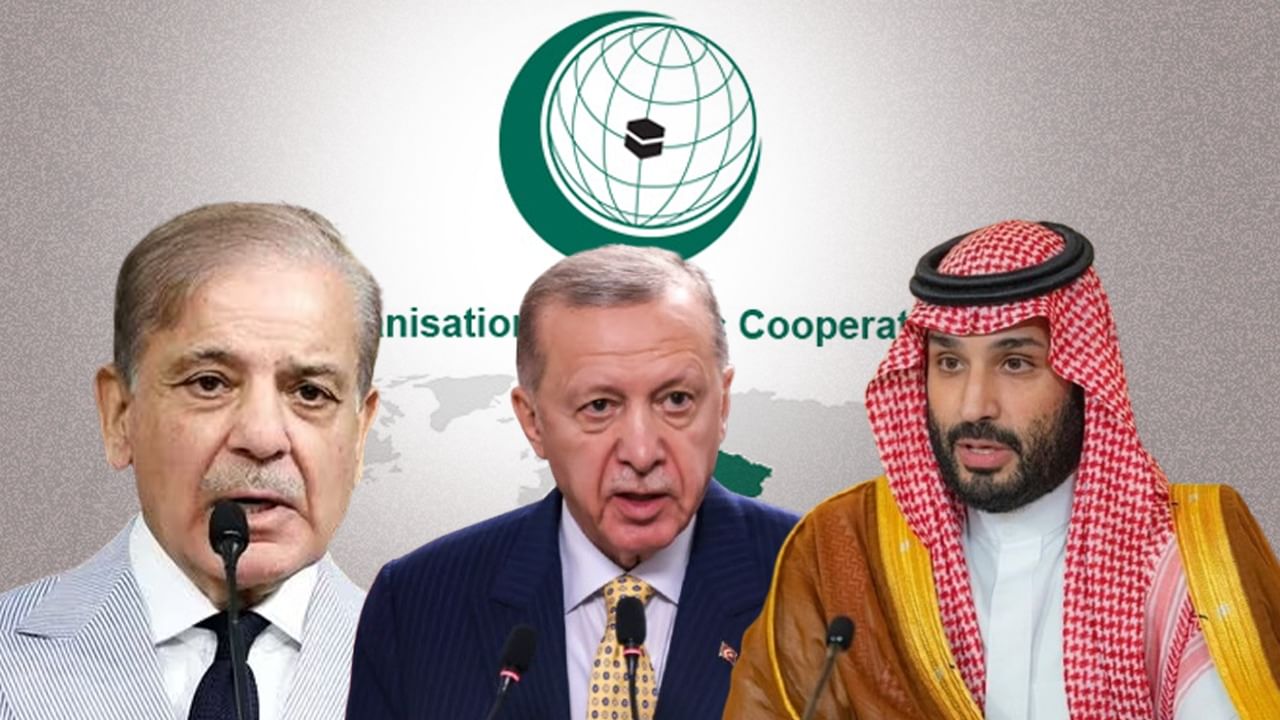
The OIC Contact Group on Kashmir convened in New York during the United Nations General Assembly session to discuss the ongoing situation in the region. The meeting saw participation from Foreign Ministers and senior officials representing Azerbaijan, Pakistan, Turkey, Saudi Arabia, and Niger. The meeting was presided over by OIC Secretary-General Hissein Brahim Taha, and included the presence of a Kashmiri delegation. Discussions focused on the political and security landscape of Jammu and Kashmir, with representatives expressing concerns regarding the human rights situation. Pakistan’s representative, Tariq Fatemi, emphasized the link between resolving the Kashmir dispute and achieving sustainable peace in South Asia. He called upon the OIC to apply constructive pressure on India and advocated for the release of political prisoners. The OIC acknowledged the recent ceasefire between India and Pakistan and commended mediation endeavors. The organization underscored the difficulty in attaining lasting peace in the region without a resolution to the Kashmir issue, while also cautioning against the potential impact of provocative statements by regional leaders on peace efforts. The OIC voiced its concerns over the substantial number of arrests targeting political and human rights activists, as well as the restrictions imposed on religious gatherings at Srinagar’s Jamia Masjid and Eidgah. The organization reiterated its disapproval of the actions taken by the Indian government on August 5, 2019, including the subsequent demographic shifts. Furthermore, the OIC maintained that elections held in Kashmir do not serve as a substitute for the right to self-determination. Turkish President Recep Tayyip Erdogan reiterated his call for resolving the Jammu and Kashmir issue through dialogue between India and Pakistan, during the UNGA in New York. He suggested that the UN Security Council should assist in finding a resolution for the people of Kashmir. India has previously dismissed these remarks, asserting that Jammu and Kashmir is an internal matter.
OIC Contact Group Addresses Kashmir Dispute in New York: Key Discussions and Concerns
 By The Chhattisgarh2 Mins Read