

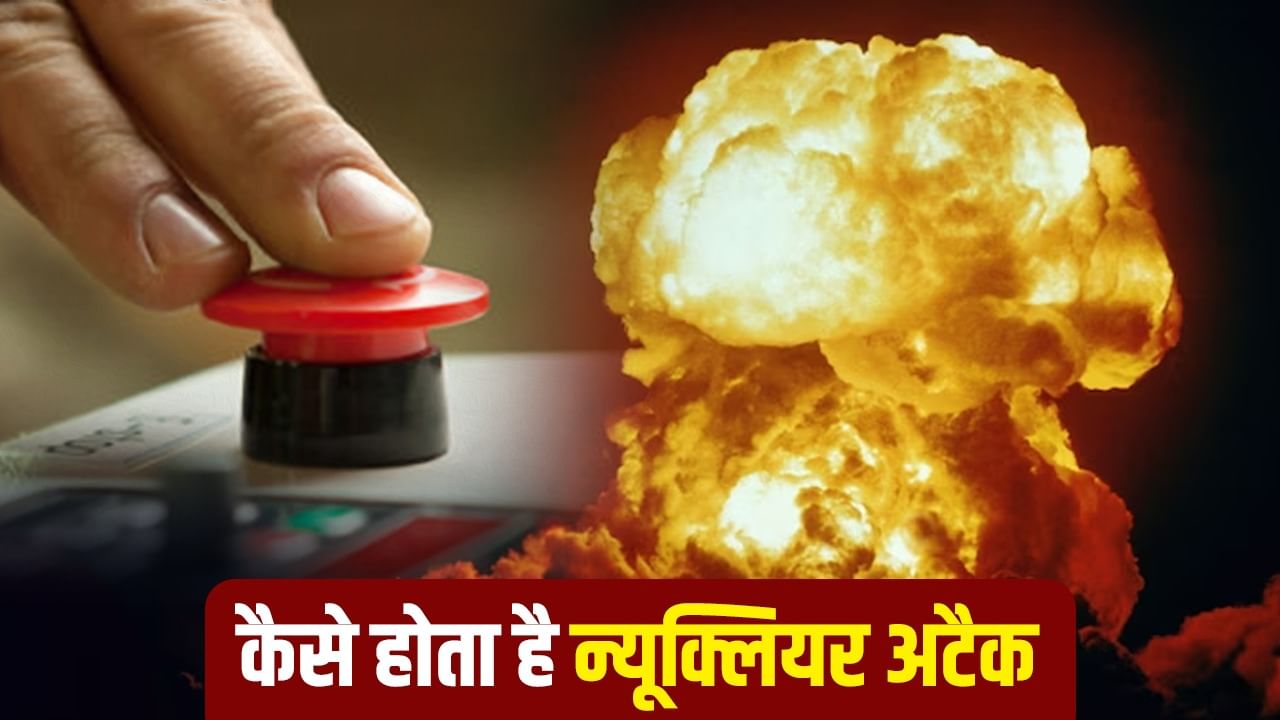
The pain inflicted on Hiroshima 80 years ago continues to resonate. On August 6, 1945, the United States unleashed an atomic bomb on Hiroshima, Japan. The impact was catastrophic, resulting in 140,000 fatalities by December 1945. The weapon, known as Little Boy, was deployed from a B-29 bomber. While seemingly straightforward, the reality of such an attack is far more complex.
Atomic bombs are recognized as the most devastating weapons, making their use a decision of immense consequence. A precise protocol must be followed before any deployment. Justification for the attack is crucial. The US, in its strikes on Hiroshima and Nagasaki, cited the need to expedite the war’s end and safeguard the lives of countless soldiers. The argument was that Japan’s refusal to surrender unconditionally necessitated the attacks. However, the world widely condemned this as an act of brutality. Thankfully, nuclear weapons have remained unused since then. Any country contemplating such an attack must adhere to a rigorous process.
Step-by-step process of a nuclear attack:
1. The initial assessment: Nuclear attack strategies vary across nations. India, for instance, adheres to a ‘No First Use’ policy, meaning it will not initiate a nuclear strike unless first targeted. The United States, conversely, reserves the right to initiate a nuclear strike, and offers nuclear security guarantees to its allies if necessary. Consequently, the US may authorize a nuclear attack if it perceives a nuclear threat, but only upon complete confirmation of an impending nuclear strike.
2. Consultation and agreement: The ultimate authority to decide upon and execute a nuclear attack rests with the highest leader of a country—the Prime Minister or President. In the US, this authority lies with the President, while in India, the Prime Minister holds the final say. Before a decision, a meeting of the Nuclear Command Authority (NCA), chaired by the Prime Minister, is convened. This process is generally consistent across countries. Intelligence reports, military assessments, and strategic briefings are considered before reaching a consensus.
3. Issuance of the Fire Order: Once a decision is made, a secure communication channel is established with the locations where nuclear weapons are deployed. The Fire Order, a fully encrypted code, is sent by the Prime Minister or President to missile bases, air force units, and submarines. Units must then verify the authenticity of the order.
4. Weapon activation: Upon validation of the Fire Order, weapons are activated. Ballistic or hypersonic missiles are prepared for launch from the ground. Bomber aircraft or fighter jets are readied for air strikes, and submarines or warships are put on alert for a sea-based attack. The target is then selected, and the missile is launched.
Extent of devastation:
The exact scale of damage from a nuclear bomb is impossible to fully quantify. However, the destruction in Hiroshima and Nagasaki provides some context. A nuclear attack can obliterate everything within a 2 to 5-kilometer radius. Temperatures at the blast center can surge to 5,000-6,000 degrees Celsius for a brief period, capable of melting iron. Radioactive particles spread throughout the atmosphere, and electronic systems fail.