

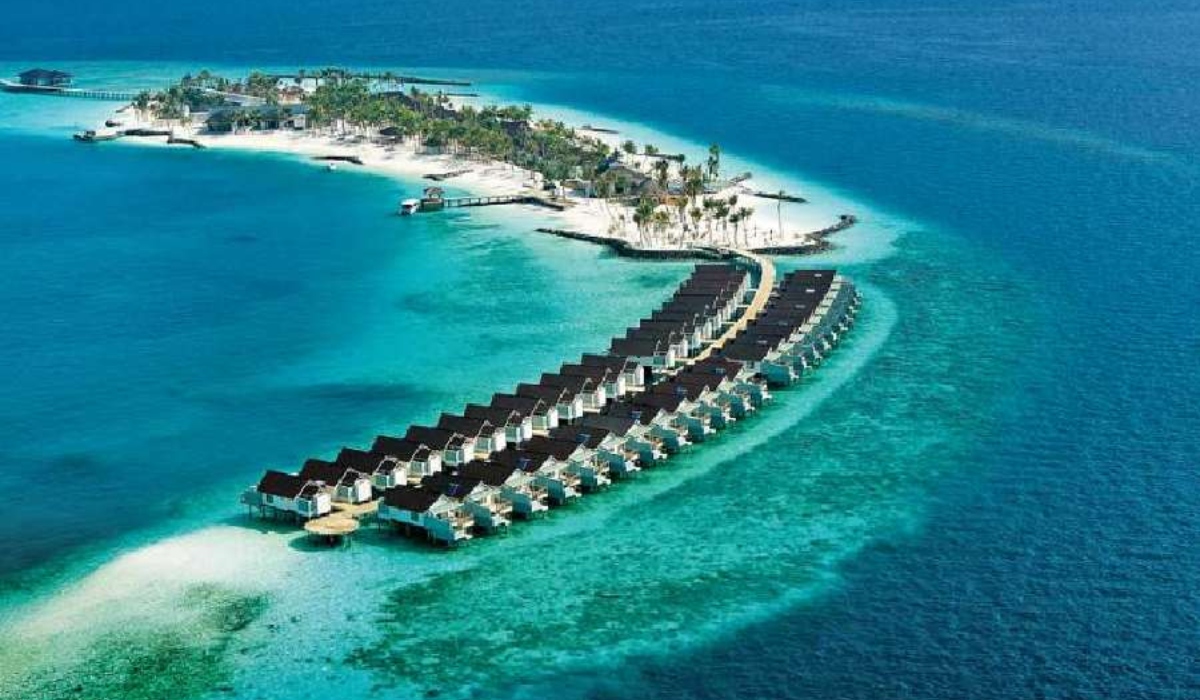
Delve into the world of countries devoid of mountains, revealing lands defined by their remarkable flatness. These nations, often at low elevations, face critical environmental threats such as sea-level rise and increased flooding, but also enjoy benefits in areas like transportation and agriculture.
Vatican City, an enclave within Rome, is one such example. As the globe’s smallest independent state, its elevation varies only slightly, precluding any mountainous features. The Maldives, a breathtaking archipelago in the Indian Ocean, holds the title of the world’s flattest country. Its islands rarely rise above 2 meters, making it acutely susceptible to climate change-induced sea-level rise.
Across the Pacific, Kiribati’s collection of coral atolls also lies just above sea level, positioning it as highly vulnerable to oceanic threats. Denmark, while not entirely flat, lacks formal mountains, with its highest natural point being a hill of just over 170 meters. Nations like Estonia, Latvia, Lithuania, and The Gambia further exemplify this low-lying topography.
Environmental experts emphasize the heightened risk for these countries, calling them ‘front lines of climate change.’ While facing challenges like inundation and erosion, their flat landscapes facilitate easier construction, farming, and movement of goods and people, showcasing a different kind of geographical advantage.