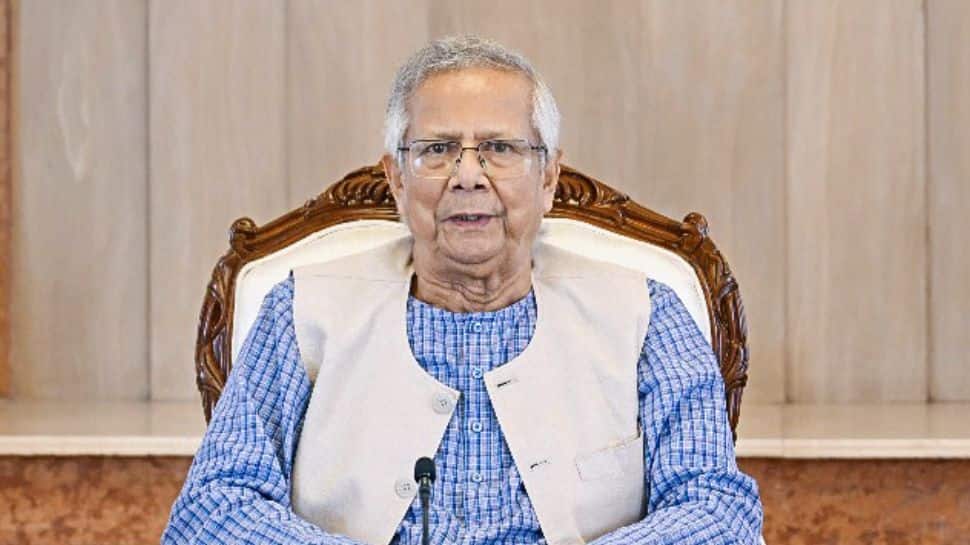
A new era of parliamentary governance has dawned in Bangladesh following President Mohammed Shahabuddin’s recent decree, the July National Charter (Constitution Reform) Implementation Order, 2025. This landmark legislation notably scraps a provision that previously allowed constitutional reforms to pass by default if the Constitutional Reform Council missed deadlines. Under this new order, the incoming parliament will assume a crucial dual function: serving as the nation’s legislature and simultaneously acting as the Constitutional Reform Council. This body is tasked with completing all constitutional amendments within 180 days of its first meeting, following a successful referendum. Furthermore, the order paves the way for a bicameral parliament, introducing an Upper House structured around a proportional representation (PR) model. This ensures that the composition of the Upper House directly reflects the electoral support garnered by political parties, aiming for a more equitable representation of public will.