

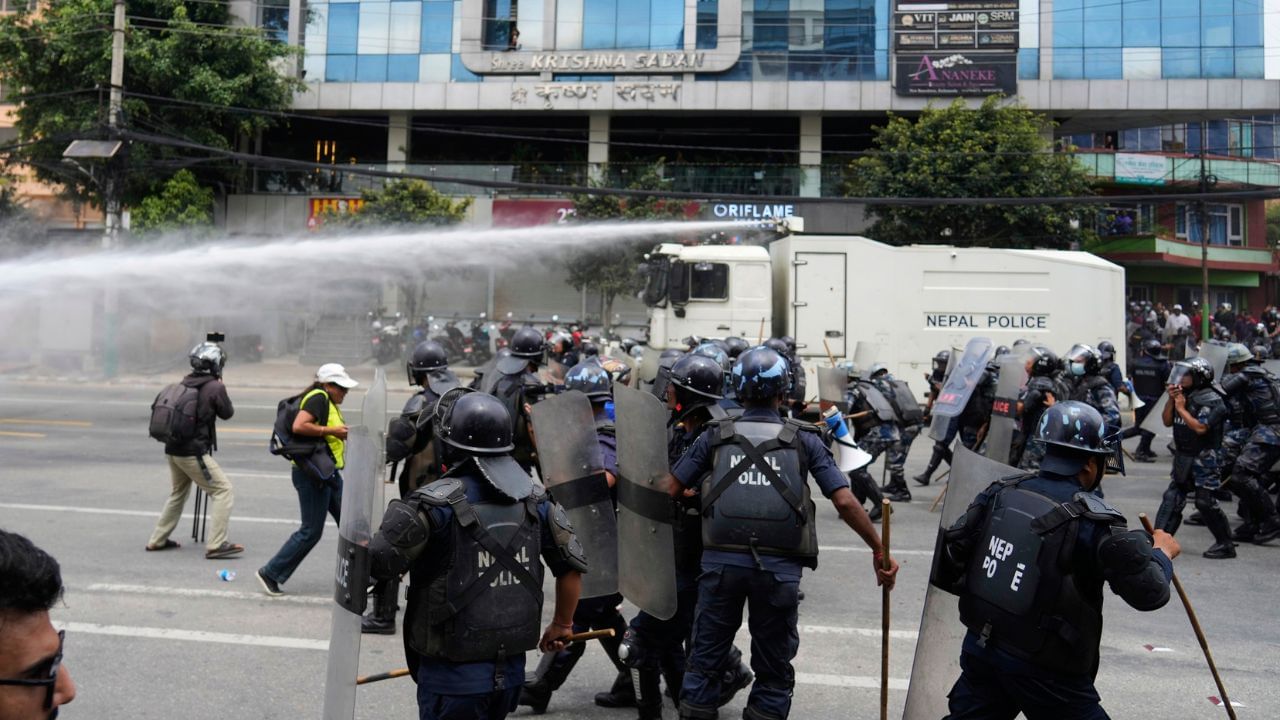
A wave of discontent has swept across Nepal, with a significant portion of the population protesting against the government. This upheaval, largely fueled by the younger generation, is challenging the established order. The protests, unprecedented in their scale, are a direct response to the Oli government’s policies. The central issue sparking this unrest is the ban on numerous social media platforms, including Facebook, Instagram, Twitter, and YouTube. The government claims these platforms failed to comply with registration requirements. However, the youth see this as a blatant attempt to stifle their freedom of expression and silence criticism of the government’s alleged corruption.
The ban’s implementation follows Prime Minister K.P. Sharma Oli’s return from a visit to China. This has led to speculation that the government aims to introduce Chinese-style censorship in Nepal and further strengthen ties with China. The situation has intensified, with curfews and large-scale demonstrations disrupting daily life. The youth are particularly concerned about the economic impact of the ban, as many rely on social media for income and employment. They also express concerns about its effect on education and access to information.
The selective enforcement of the ban, with restrictions primarily targeting American platforms while allowing Chinese apps to operate freely, has raised suspicions of the government’s alignment with China. The growing youth rebellion in Nepal, fueled by the widespread use of social media, has become a serious challenge to the Oli government’s authority. The ban has created an environment of uncertainty and anger, which is becoming increasingly visible.