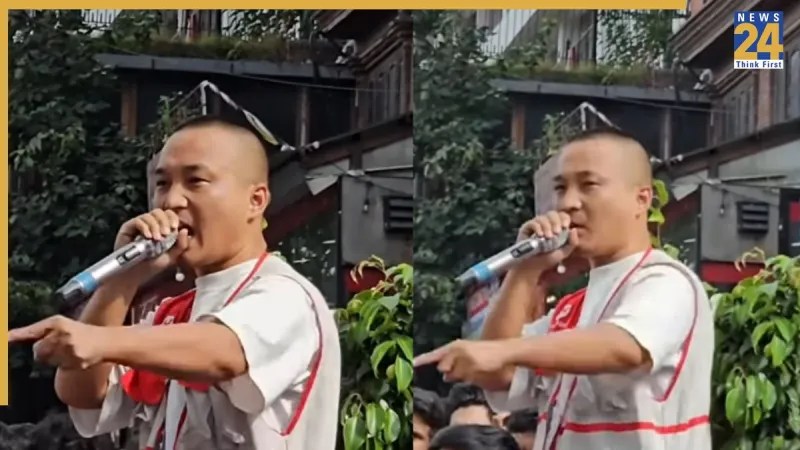
On Monday, Nepal witnessed a severe youth uprising stemming from the government’s prohibition of 26 social media platforms, including popular apps such as Facebook and WhatsApp. The police’s response to the demonstrations in Kathmandu involved the use of live fire, leading to the deaths of at least 20 people and injuries to over 300. Following the violent clashes, Home Minister Ramesh Lekhak resigned on moral grounds, while the army was deployed to secure roads near Parliament amidst escalating tensions. Prime Minister KP Sharma Oli placed blame for the violence on “infiltration,” framing the ban as regulatory rather than censorship. The government subsequently rescinded the ban, with Communication Minister Prithvi Subba Gurung announcing the reopening of the platforms. The protests were led by Sudan Gurung, the 36-year-old president of the youth-led NGO Hami Nepal. Before the ban, Hami Nepal used social media to broadcast protest routes and safety advice. Gurung had also encouraged students to carry school uniforms and books, transforming legitimate protests into comforting symbols of peaceful resistance. Gurung’s background includes leading Hami Nepal, a youth NGO formed after the 2015 earthquake. His life was altered by the tragic loss of his child during the earthquake. Gurung transitioned from event planning to disaster relief, driven by a passion for civic work. He has previously led protests demanding transparency and has become the voice of the Gen Z movement, translating their digital-age frustrations into organized and peaceful actions. The protests saw thousands of young people, including many students, taking to the streets in Kathmandu, calling for the immediate end of the social media ban. The demonstrations escalated into violence when protesters breached the Parliament complex, prompting police to use various methods of crowd control. The violence spread beyond the capital, with protests in several other cities. Hospitals were overwhelmed with casualties, and authorities issued curfew orders. The “Nepo Kid” campaign gained traction online, accusing the elite’s children of benefitting from corruption, adding fuel to the protests.
Nepal’s Social Media Ban Sparks Deadly Protests: Sudan Gurung Emerges as a Leader