

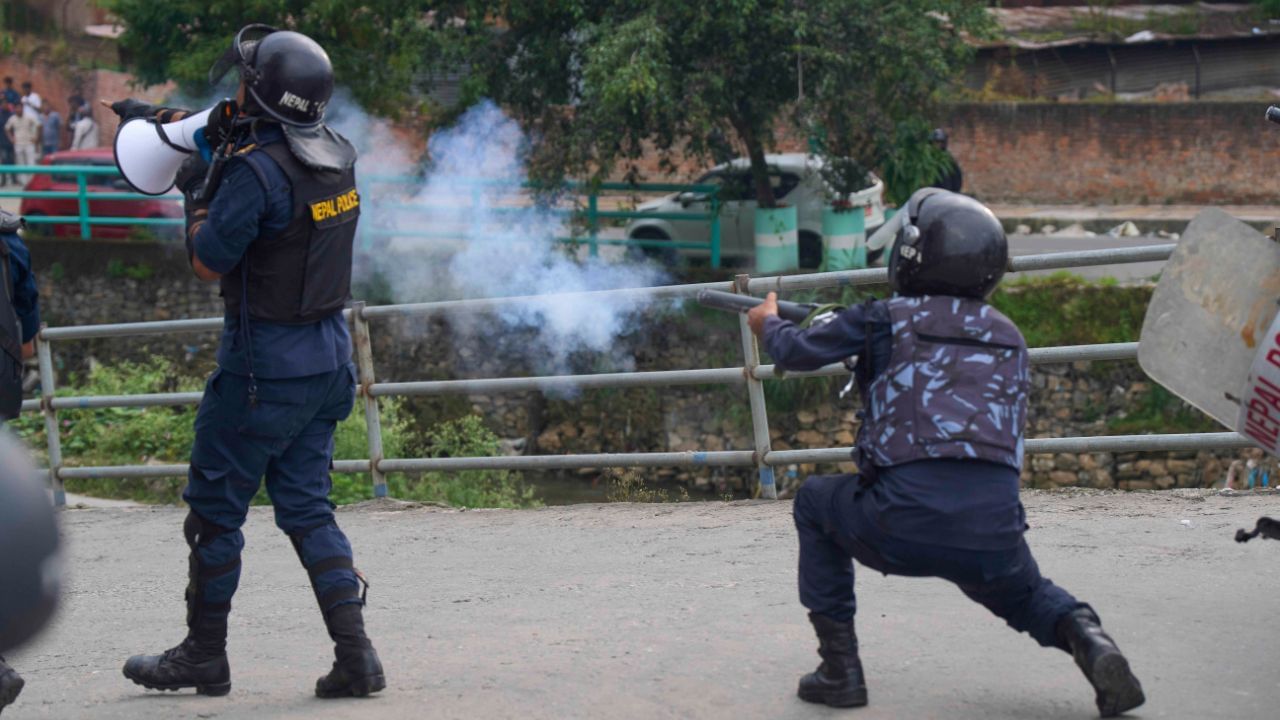
The Oli government in Nepal is facing significant pressure after widespread protests against a ban on social media applications turned violent. The demonstrations, involving thousands of Gen-Z youth in Kathmandu and other cities, resulted in the tragic deaths of 19 individuals and over 300 injuries. The government has since reversed its decision and lifted the ban on social media. This move came after Prime Minister K.P. Sharma Oli initially resisted removing the restriction. Below are ten critical updates regarding the escalating violence and protests.
1. Investigation into the Violence: Prime Minister Oli expressed grief over the deaths, attributing the escalation to ‘anti-social elements’ within the peaceful protests. He stated that force was necessary to protect government assets and clarified that the intent was regulation, not a complete shutdown. A 15-day investigation committee will be formed.
2. Appeal to End Protests: The Minister of Information and Broadcasting, Prithvi Subba Gurung, announced the removal of the social media ban following an emergency cabinet meeting. He urged the Gen-Z protesters to cease their demonstrations. However, the youth have indicated they will escalate their actions beginning Tuesday.
3. Oli’s Stance: Home Minister Ramesh Lekhak resigned following the events of Monday. Gurung confirmed that Prime Minister Oli would not resign. The decision to lift the ban was made to appease the protestors. The government will provide financial compensation to the families of those who died and cover medical expenses for the injured.
4. Casualty Details: 17 protesters died in Kathmandu, and 2 in the Sunsari district in eastern Nepal. Medical treatment is being provided to more than 347 injured individuals.
5. Curfew and Military Deployment: The situation prompted the deployment of the army in Kathmandu on Monday. Military forces have secured areas surrounding the Parliament building. Curfews have been implemented in Kathmandu, Lalitpur, Pokhara, Butwal, and Itahari, prohibiting all public gatherings and movement.
6. Origins of the Protest: The demonstrations began in front of the Parliament building, with protesters demanding the ban’s removal. The situation deteriorated when some individuals breached the Parliament complex. Police responded with water cannons, tear gas, and gunfire.
7. Government’s Stance on Social Media: Prime Minister Oli stated that the government has no issue with social media platforms, but those operating in the country must adhere to the law. He described the protesters as puppets. Journalists and tech organizations also condemned the ban.
8. International Reactions: The UN Human Rights body expressed distress over the violence and called for an impartial investigation. Numerous nations, including the United States, the United Kingdom, and others, offered condolences and expressed their concern.
9. Reasons for the Ban: The government banned 26 social media platforms, including Facebook, Instagram, and YouTube, because they were not registered within the required timeframe. The government asserted that the action was to enforce regulations and not censorship. However, it sparked widespread protests.
10. Wider Issues: The protesters cited unemployment, corruption, and economic issues as reasons for their dissent. They highlighted the ‘Nepo Kid’ trend, focusing on the perceived advantages of leaders’ children and the disparity with widespread unemployment. The Oli government faces criticism for failing to address corruption.