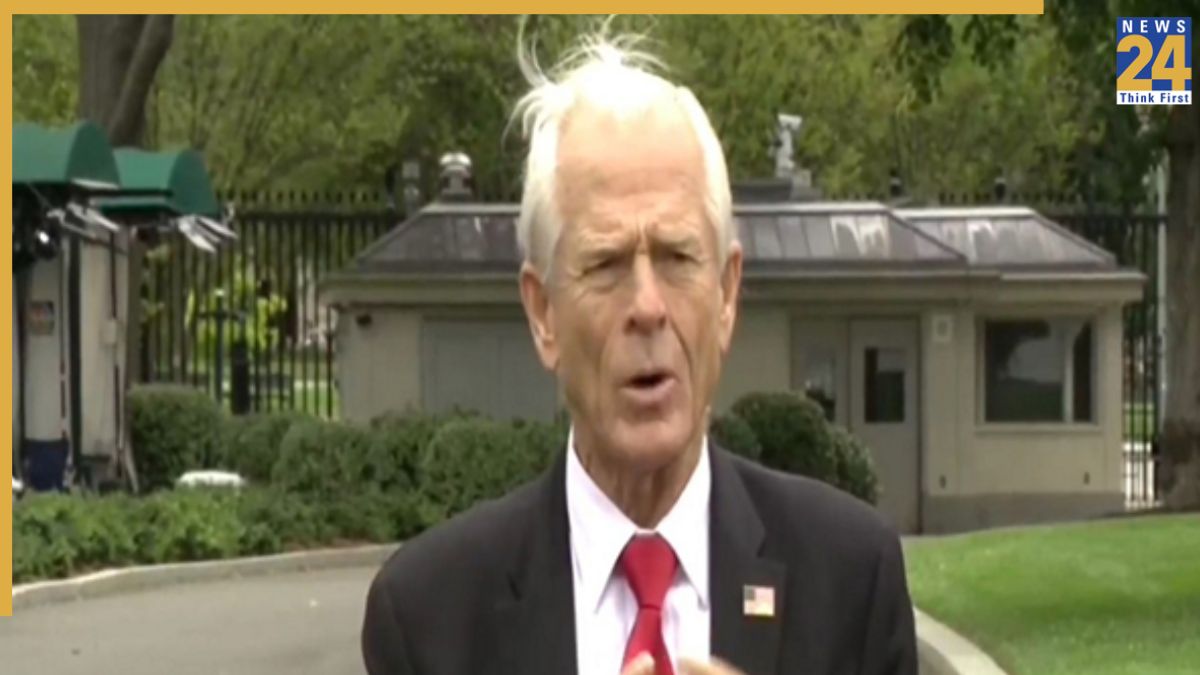
Peter Navarro, a White House trade advisor, discussed the specifics of the recently agreed-upon trade deal between the US and the EU. According to Navarro, the EU has agreed to eliminate all tariffs, while the United States will continue its global tariffs at a rate of 15% to combat its trade deficit. Navarro pointed out a reduced tariff on autos, set at 15%, a decrease from the previous 25%, though still significantly higher than the pre-Trump era’s 2.5%. Additionally, Navarro confirmed that tariffs on steel and aluminum will remain unchanged, without exceptions. The US is projected to secure $750 billion in LNG purchases and attract $600 billion in strategic sector investments, specifically designed to reinforce and fortify supply chains. Furthermore, the agreement encourages increased European collaboration with NATO. Navarro lauded the agreement as a major success of Trump’s trade strategy, fostering improved collaboration between the US and Europe. Earlier statements from the Trump administration indicated that the EU would remove all tariffs on US industrial goods, and enhance preferential access for American seafood and agricultural exports. In return, many EU products, including pharmaceuticals and semiconductors, will be subject to a 15% tariff. The 27-nation bloc also committed to significant investments in the US and the purchase of American energy over the next few years. The agreement underscores the significance of the trade and investment relationship and is intended to revitalize industrial activity. It also reflects an acknowledgement of US concerns by the EU and a shared desire to tackle trade imbalances. The EU has committed to buying at least $40 billion of American artificial intelligence chips for its computing centers. Furthermore, a 15% tariff on European pharmaceuticals will be enforced without additional duties. Beginning September 1, other European goods, including aircraft components, will also face a 15% tariff. The arrangement is hailed as the most favorable deal the US has offered to any partner, and is considered a step in expanding US-EU economic cooperation.
Navarro: EU Agrees to Zero Tariffs, US to Maintain Global Tariffs in Trade Deal
 By The Chhattisgarh2 Mins Read