

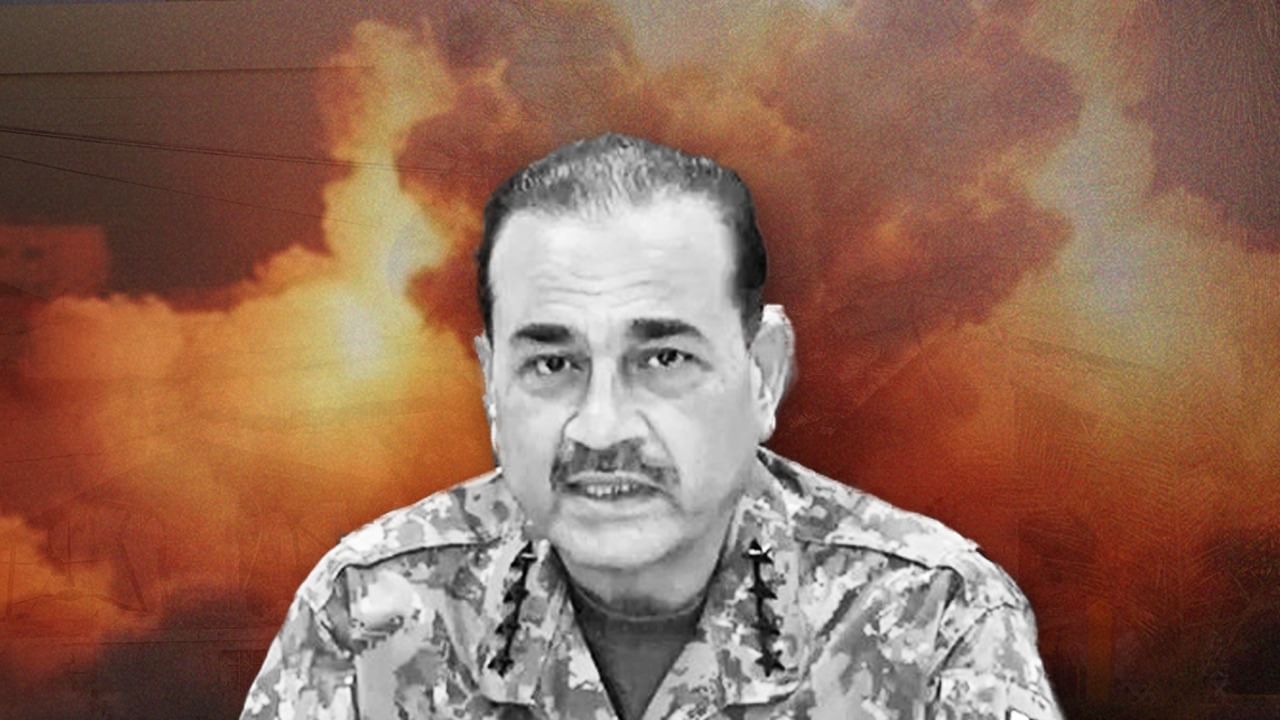
Pakistan’s Army Chief, Asim Munir, made a bold nuclear threat against India while in Florida, sparking concern and raising questions about international relations. Munir’s statement to Pakistani expatriates emphasized Pakistan’s nuclear capability and the potential for global consequences if Pakistan faces any threat.
He also brought up the matter of India’s dam construction on the Indus River, threatening a missile strike to destroy the dam once finished.
The location of this threat within the United States adds a layer of complexity to the situation, inviting scrutiny of the US’s response.
1. Munir’s visit to the US marks his second since the ceasefire with India. His previous meeting with former US President Donald Trump has seemingly emboldened him.
2. The nuclear threat is not an isolated incident. Since 2019, various Pakistani officials have issued similar warnings to India.
3. The Pakistani government seems uneasy about the current state of affairs, with India rejecting high-level talks, and recent statements from the Indian Army Chief suggesting the possibility of renewed conflict.
This raises the question: Why the silence from Trump, especially considering his earlier remarks on preventing a potential nuclear war between the two nations?
Munir’s statement, made on US soil, presents a challenge to the US government. Trump’s lack of response warrants close examination, especially considering the former president’s comments on the need to avoid nuclear conflict.
Potential reasons for the silence might include proposed deals. Trump has an interest in Pakistan purchasing US-made weapons. The current reliance on Chinese weapons is an obstacle.
Additionally, a deal involving cryptocurrency in Pakistan is under negotiation, with potential benefits for Junior Trump and the World Liberty Foundation, in which Munir plays a crucial role.