

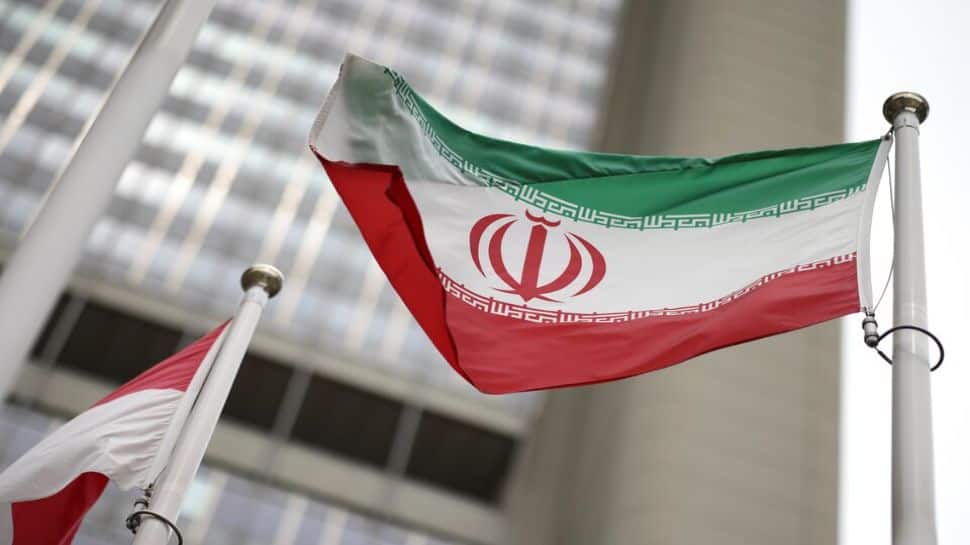
The 10-year nuclear agreement between Iran and global powers, the Joint Comprehensive Plan of Action (JCPOA), has officially reached its expiration date. This pivotal accord, signed in Vienna in 2015, was designed to restrict Iran’s nuclear activities in exchange for the lifting of economic sanctions. The “termination day” marked the culmination of the deal’s 10-year span, as stipulated by UN Security Council Resolution 2231.
Resolution 2231, unanimously adopted in July 2015, provided the legal framework for the JCPOA, rescinding previous UN sanctions and six earlier resolutions concerning Iran’s nuclear program. A key provision of this resolution allowed for the removal of Iran from Chapter 41 of the UN Charter, thereby ending the Security Council’s ability to enforce sanctions and other coercive measures without military force. The agreement also imposed limitations on Iran’s conventional weapons for five years and ballistic missile activities for eight years, with the IAEA responsible for oversight.
Throughout the decade-long agreement, the IAEA consistently verified Iran’s compliance and found no evidence of a drive towards nuclear weapons development. As of the termination date, Iran asserts that all aspects of the JCPOA, including restrictions on its nuclear program, are no longer in effect. Tehran continues to emphasize its preference for diplomatic engagement.
The JCPOA experienced significant strain following the United States’ unilateral withdrawal in May 2018, which led to the re-imposition of sanctions. Iran maintained its commitments for an initial period, hoping for economic incentives from European partners. However, when these benefits did not materialize, Iran began to gradually withdraw from its obligations, invoking clauses that permit suspension or reduction of commitments if other parties fail to uphold their end of the bargain.
In response to the deteriorating situation, Iran increased its uranium enrichment activities to 60 percent purity, short of weapons-grade levels, for use in medical isotopes and research. Officials have stated that these advancements are reversible if sanctions are eased and the JCPOA is revived.
The deal included a “snapback” provision, enabling any party to reinstate UN sanctions if Iran was found in material breach. In late August 2025, France, Germany, and the UK invoked this clause, re-establishing sanctions related to arms transfers, missile technology, and financial transactions. Iran rejected this action as politically motivated and legally questionable, signaling an end to European participation in its nuclear file. This move followed an IAEA report that raised concerns about Iran’s cooperation and the quantity of its enriched uranium stockpiles. The IAEA Board of Governors later declared Iran in violation of its non-proliferation commitments.
Following these events, Iran’s Parliament ceased cooperation with the IAEA, citing concerns about the agency’s reporting being used to justify external actions. Foreign Minister Araghchi recently articulated that Iran sees no basis for further negotiations with European nations after their snapback decision. A formal communication to the UN Secretary-General declared that the expiration of the JCPOA and Resolution 2231 nullifies all associated sanctions.
Iran’s commitment to a peaceful nuclear program is long-standing, supported by its rights under the NPT. Despite decades of international scrutiny and challenges, the nation maintains its peaceful energy objectives, with no concrete evidence of a military nuclear pursuit confirmed by international bodies. As the JCPOA concludes, Iran asserts its sovereign right over its nuclear program and remains open to dialogue under conditions that guarantee its security and economic well-being.