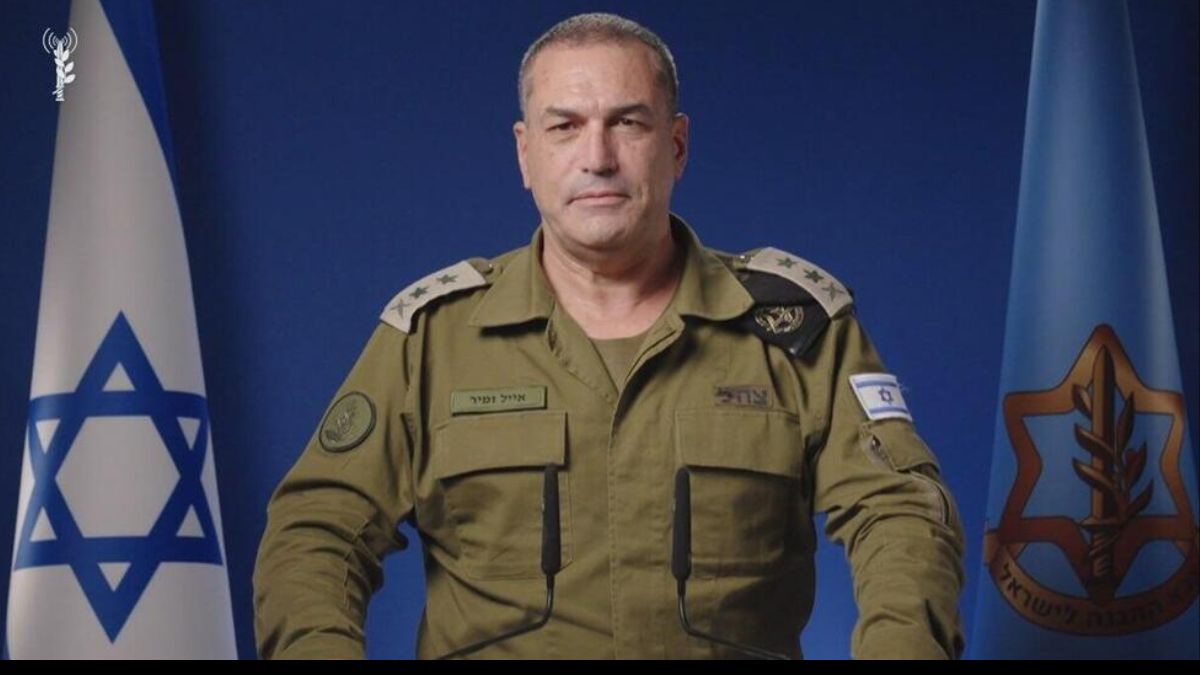
Following a 12-day military operation, the Israel Defence Forces (IDF), through Spokesperson Brigadier General Effie Defrin, provided details on the offensive that severely impacted Iran’s nuclear and missile programs. According to The Jerusalem Post, Israel’s actions were deemed necessary. Prior attempts to halt Iran’s nuclear and missile development through diplomatic channels had failed. Information revealed that Iran had amassed sufficient nuclear material to build multiple bombs and was rapidly increasing missile production, with plans to increase its arsenal from 2,500 to 8,000 missiles within two years. The initial offensive included strikes against senior military officers, nuclear scientists, and strategic sites. The Israel Air Force (IAF) also targeted aerial defense systems, achieving air dominance in western Iran quickly. This surprise attack strategy limited the potential for a larger Iranian response. The main objective of the 12-day campaign was to dismantle Iran’s nuclear enrichment and missile development infrastructure. US strikes on the Fordow facility and Israeli strikes on Natanz prevented Iran from obtaining a nuclear weapon. The IAF targeted numerous centrifuge production sites and other key facilities. The elimination of 11 nuclear scientists was a setback for Iran’s nuclear program. More than 30 missile production and launch facilities were targeted across Iran. The killing of over 30 senior Iranian military commanders further discouraged significant retaliation. Over half of Iran’s missile launchers and hundreds of ballistic missiles were destroyed, along with over 80% of the aerial defense systems. Iran launched over 530 missiles and 1,100 drones at Israel, with a 99% interception rate for the drones. Defrin emphasized that despite the success, the Iranian regime remains determined to eliminate Israel.
Israel’s Military Campaign Crippled Iran’s Nuclear and Missile Capabilities, IDF Says
 By The Chhattisgarh2 Mins Read