

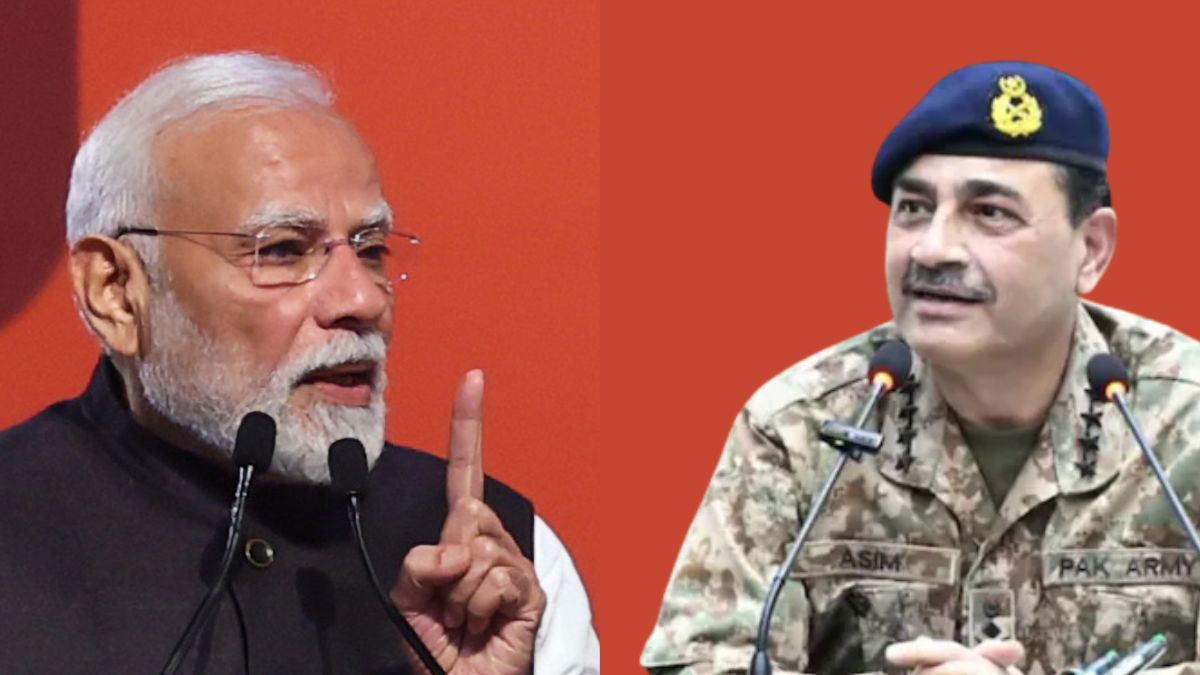
India has strongly condemned the recent comments made by Pakistan’s army chief, Asim Munir, during his visit to the United States, accusing Pakistan of recklessly brandishing its nuclear capabilities. India raised serious questions regarding the reliability of Pakistan’s nuclear command and control structure, viewing it as an instance of dangerous nuclear brinkmanship.
The Ministry of External Affairs (MEA) issued a stern statement, characterizing the Pakistani military leadership’s comments as ‘irresponsible.’ The MEA highlighted that such statements contribute to existing anxieties about the safety and responsible management of Pakistan’s nuclear weapons.
The MEA declared that Pakistan’s tendency to engage in ‘nuclear sabre-rattling’ is well-established. The statement encouraged the international community to independently assess the irresponsibility inherent in such comments, further fueling concerns about the effectiveness of nuclear command and control within a state where there are claims of military collusion with terrorist organizations.
Asim Munir’s reported remarks included a warning that Pakistan would not hesitate to ‘destroy half the world’ if its existence was threatened in a potential war with India. This statement is considered a nuclear threat made from US territory. Munir stated, ‘We are a nuclear power. If we feel that we are being finished, we will take half the world with us.’ He also cautioned that any Indian construction on the Indus river system disrupting water supplies to Pakistan would be completely destroyed. Munir affirmed that Pakistan possessed an ample supply of missiles.
In addition, Munir suggested that India’s decision to suspend the Indus Water Treaty following the Pahalgam terrorist attack in April could endanger the food security of approximately 250 million people.
The MEA statement also expressed regret that these comments originated from the soil of a friendly third country. India reiterated its resolve not to be intimidated by nuclear threats and its commitment to implement all measures necessary to ensure national security. This development occurs amidst rising tensions between India and Pakistan, both possessing nuclear weapons, intensifying the focus on security and stability in South Asia.