

China’s Foreign Minister Wang Yi’s visit to India included a meeting with Prime Minister Narendra Modi, following earlier discussions with National Security Advisor Ajit Doval and External Affairs Minister S. Jaishankar. The visit, spanning two days, is interpreted as a move by both nations to repair their relationship, which had significantly deteriorated after the 2020 Galwan Valley incident. The Indian Ministry of External Affairs highlighted the improving relations with China after the Galwan clash. The visit resulted in multiple agreements, with a focus on maintaining peace along the border and expediting the resolution of the border dispute. Key agreements involve the resumption of border trade, the restart of direct air services, and the expansion of opportunities for Indian pilgrims undertaking the Kailash Mansarovar Yatra.
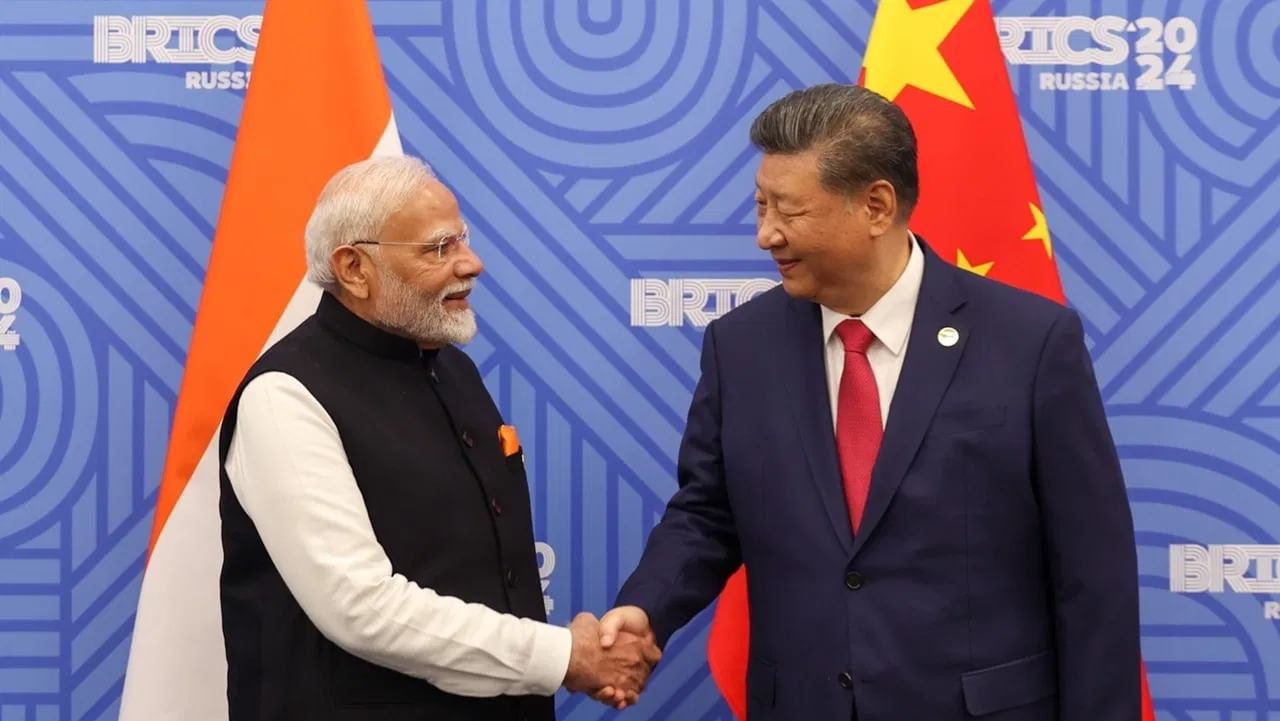
Among the agreements are plans to address the India-China border dispute, form an expert group for border demarcation, discuss reducing military presence, reinstate direct flight services promptly, finalize an air service agreement, issue visas for tourists and professionals, increase the scope of Indian pilgrimages, share information about river waters by China, restart border trade at three designated points, encourage India-China multilateralism, and discuss collaboration on trans-border rivers. Also agreed upon was the celebration of 75 years of diplomatic relations between India and China. Recent months have witnessed improvements in the relationship between India and China. Following his meeting with Wang, NSA Doval noted that the borders are calm, peace and harmony prevail, and bilateral ties are stronger. Doval also referenced the meeting between PM Modi and Xi Jinping in Kazan as a catalyst for improved relations. The meeting between the leaders occurred shortly after a troop disengagement agreement in eastern Ladakh. The Chinese Foreign Minister also met with his Indian counterpart, S. Jaishankar. Discussions covered bilateral, regional, and global issues of shared interest. The Indian side also emphasized the issue of cross-border terrorism during the talks, with Wang expressing agreement. Both parties committed to maintaining peace and harmony on the Line of Actual Control (LAC).