

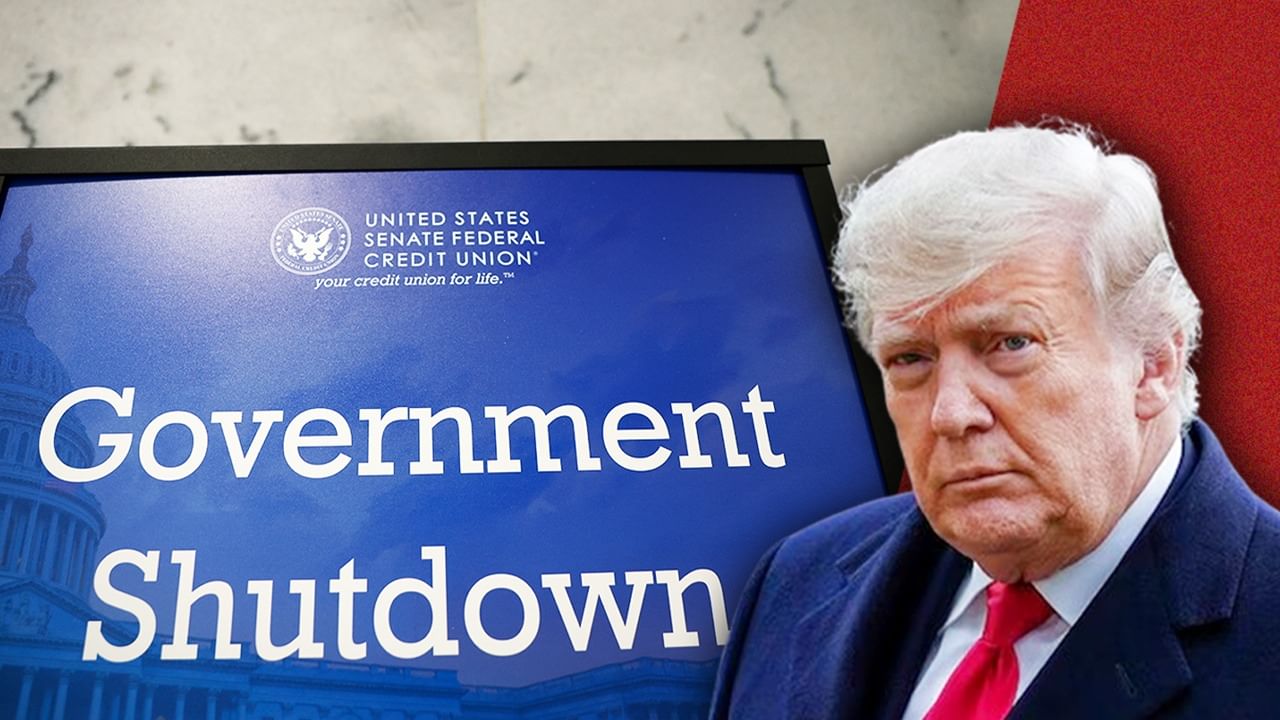
The United States government is grappling with a shutdown for the first time in seven years, marking a significant disruption in government operations. The shutdown, which began due to disagreements over a financial bill between the White House and Congress, echoes the situation in 2019 and threatens to send approximately 900,000 federal employees home on leave.
While critical services continue to function, past shutdowns caused significant disruption, including the cancellation of immigration hearings and delays in crucial funding. The previous longest shutdown, spanning 35 days, concluded on January 25, 2019.
At the heart of the current dispute is a Republican-backed bill that includes Medicaid cuts. Democrats strongly oppose these cuts, advocating for their removal and increases in health insurance tax credits, but Republicans are holding firm.
The circumstances recall the government shutdown during Trump’s initial term, when funding for a US-Mexico border wall led to a standstill. The shutdown occurs because the US fiscal year begins on October 1st. If a new budget is not approved by this date, government activities are suspended.
The shutdown’s resolution depends on Congress passing a new appropriations bill, which the President must then sign. This requires bipartisan agreement, which is proving difficult to achieve. Republicans plan to repeatedly bring the funding bill to a vote in the Senate. Trump has assigned responsibility for the shutdown to the Democrats.