

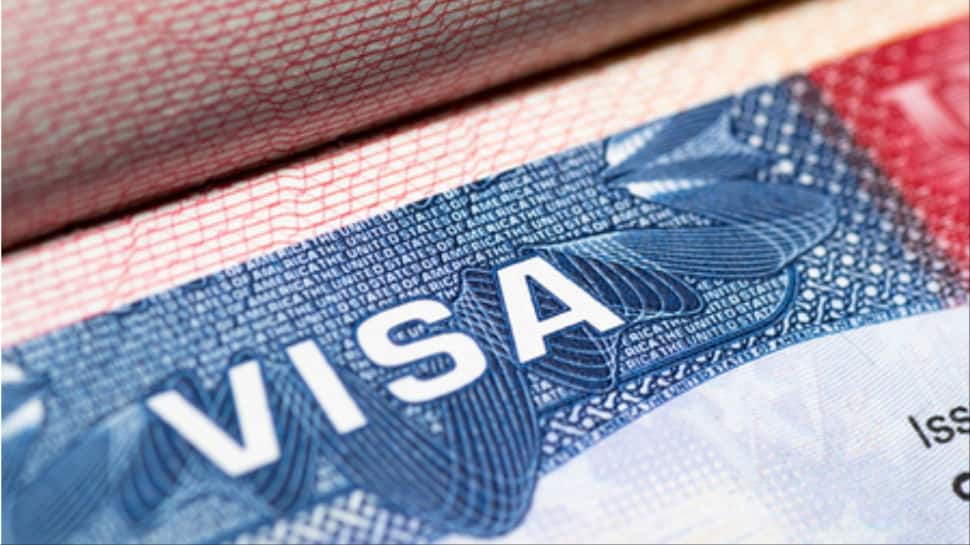
Sweeping changes to global visa screening are now in effect as the United States revives its ‘public charge’ policy with stricter enforcement. Embassies across the world are tasked with applying tougher standards when evaluating an applicant’s financial independence and health status. The controversial ‘public charge’ rule empowers immigration officials to deny entry to those deemed likely to rely on public welfare programs or government aid.
The U.S. State Department has communicated that self-sufficiency is a long-standing principle of American immigration law, and the concept of being a ‘public charge’ has been codified for more than a hundred years. This new directive reinstates and enhances measures from the previous Trump administration, which President Biden had previously rolled back. Since Donald Trump’s return to office in early 2025, his administration has aggressively pursued a tighter immigration agenda.
Under these updated regulations, consular officers must now deny visas to individuals identified as probable beneficiaries of public assistance. The evaluation will consider a multitude of criteria, including an applicant’s medical conditions, age, proficiency in English, economic situation, and potential future healthcare requirements. The directive mandates a thorough examination of every facet of an application, including medical reports and proof of support, prior to any visa issuance decision.