

In a remarkable development 80 years after the Holocaust, Germany and Israel have solidified a historic defence pact worth 2 billion euros. This significant agreement centres on the supply of Israeli Spike anti-tank missiles to Germany, symbolizing a profound shift in geopolitical and military alliances. Israeli officials have characterized this deal as a testament to how “history has been turned on its head,” reflecting a new era of cooperation built on mutual defence needs.
The deepening military reliance was underscored by German Chancellor Friedrich Merz at the G7 summit. His statement that Israel was undertaking “the dirty work for all of us” in regional conflicts illustrated the immense confidence Germany now places in Israel’s military prowess. This represents a dramatic departure from historical grievances and positions Israel as a key strategic partner for German security.
Germany is undertaking a significant military modernization program, with ambitious plans to bolster its armed forces. The CDU party leader, Friedrich Merz, has outlined a vision for Europe’s strongest military, addressing long-standing criticisms of underinvestment and equipment shortages within the German army. The government is prioritizing increased defence expenditure and has proposed innovative recruitment strategies, including a lottery system for potential recruits. A substantial list of military equipment valued at 37.7 billion euros is being compiled, with a significant focus on acquiring Israeli defence technologies.
Details emerging from leaked documents highlight the substantial investment in Israeli capabilities. Approximately 700 million euros are earmarked for advanced self-exploding drones from Elbit, with an additional 100 million euros allocated for ammunition compatible with Heron drones. The 2 billion euro Spike anti-tank missile deal is already being recognized as one of Israel’s most significant European sales. Security cooperation has also seen recent success, with Israel’s Mossad intelligence agency aiding German authorities in apprehending suspects in Berlin.
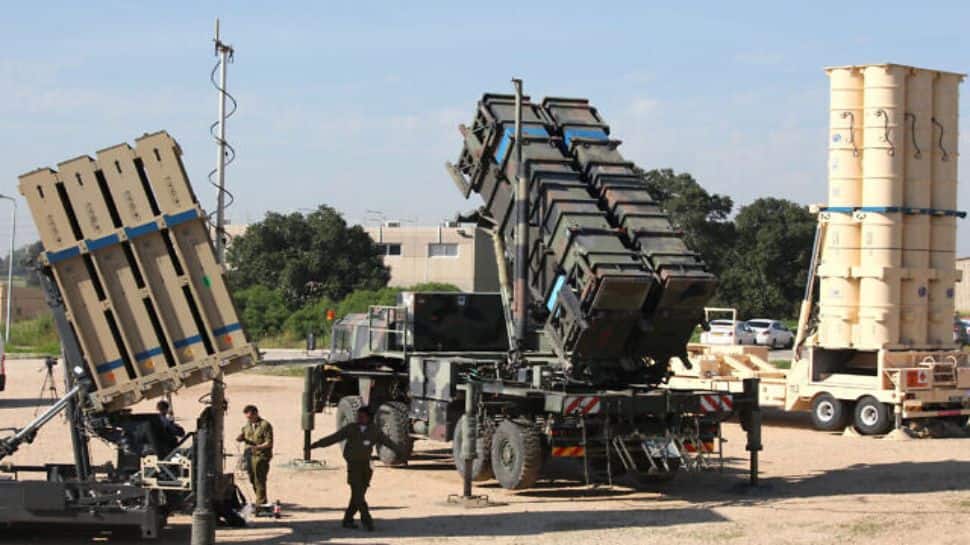
This collaborative spirit extends to advanced missile defence, as Germany previously secured the Arrow-3 system from Israel for 4 billion euros in 2023, a critical asset for intercepting long-range ballistic missiles. Israeli defence representatives have emphasized the unprecedented nature of this alliance, noting the historical irony of Israeli technology now safeguarding German forces.
Major General Amir Baram articulated Israel’s perspective: “Germany’s trust in our capabilities sends a message of leaving historical pain behind. We are proud that our systems are now part of Germany’s new army.” Chancellor Merz, whose family history is directly linked to the Nazi era, has shown personal sensitivity to the past, recently becoming visibly moved at the reopening of a synagogue devastated during the Holocaust.
However, Merz’s strong support for Israel has generated internal debate in Germany. Critics have voiced concerns about the government’s approach to Israel’s operations in Gaza, leading to temporary halts in German weapons shipments. Merz has acknowledged the challenges in reconciling the conflict’s impact with public sentiment, while the Israeli ambassador in Berlin has assured that Germany’s criticisms are taken seriously by their government.