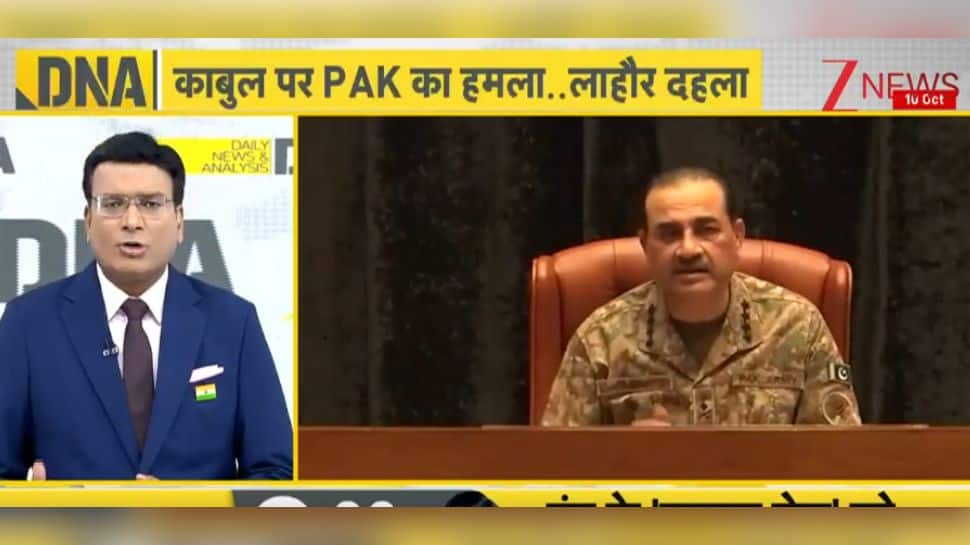
The delicate peace in South Asia has been severely tested by Pakistan’s recent decision to conduct airstrikes near Kabul, an action orchestrated by Army Chief General Asim Munir. Islamabad asserted that the target was TTP leader Noor Wali Mehsud, whom they accused of orchestrating a deadly assault on Pakistani troops in Orakzai. This claim, however, was immediately challenged by a TTP audio message, reportedly from Mehsud himself, denying his demise and asserting he was alive. This casts significant doubt on the operation’s effectiveness and intelligence. Analysts are scrutinizing this move as potentially Pakistan’s most significant strategic blunder in its counter-terrorism endeavors. The Taliban administration in Afghanistan has strongly condemned the Pakistani strikes, labeling them an infringement upon their national sovereignty and promising severe repercussions. They explicitly stated Pakistan would ‘pay the price’ for any civilian harm resulting from the ‘unprovoked attack.’ The international community is watching closely, especially with Afghan Foreign Minister Amir Khan Muttaqi currently engaged in high-level discussions in India with External Affairs Minister S. Jaishankar. India’s reaffirmation of commitment to Afghan stability and plans to re-establish its embassy in Kabul add another layer to regional diplomacy. Simultaneously, Pakistan is grappling with internal unrest, evidenced by internet shutdowns in its capital and nearby cities amidst widespread protests by the TLP, which encountered violent clashes with authorities while attempting to demonstrate near the US Embassy regarding the Gaza crisis. General Munir’s gamble in Afghanistan appears to have escalated tensions on multiple fronts.