

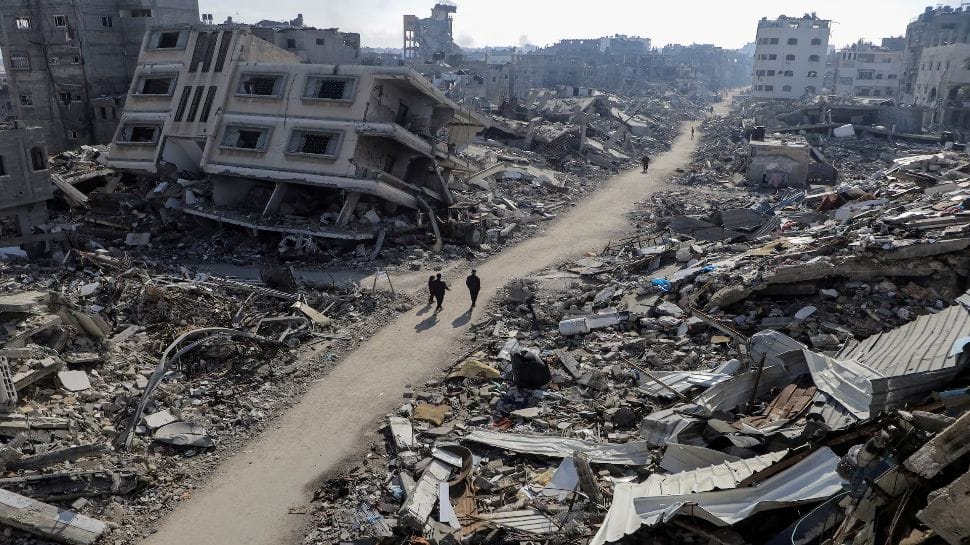
The trajectory of Gaza was drastically altered on October 7, 2023. The Hamas attack on Israel and the subsequent, devastating Israeli response have left the Gaza Strip in ruins. What were once bustling streets and vibrant neighborhoods have been transformed into scenes of widespread destruction by relentless airstrikes. The lives of over two million Palestinians have been upended, leaving them displaced and with little more than the clothes on their backs and fragmented memories of their former lives.
Two years on, the scale of Gaza’s devastation is a somber testament to the conflict’s ferocity. The city’s dreams of progress have been choked by dust and despair. Former centers of education, commerce, and daily life are now silent ruins, testament to the overwhelming destruction. Official figures paint a grim picture: a United Nations report indicates that around 80 percent of Gaza’s buildings have been destroyed. The economic fallout is staggering, with financial losses estimated to be in the hundreds of billions. Millions of tons of debris now litter the landscape, and experts estimate that clearing this rubble alone could take a decade, with reconstruction costs projected to be astronomical.
Talks surrounding Gaza’s reconstruction are ongoing, with significant international attention focused on the immense challenge. Reports suggest potential involvement from the United States in spearheading the rebuilding efforts, possibly with strategic guidance from former British Prime Minister Tony Blair. These proposals, while offering a glimmer of hope, are still in the early stages of discussion.
The conflict’s impact extends to the very land itself. Agricultural experts have warned of long-term soil contamination from explosive residues, a situation that could render Gaza’s farmlands infertile for over twenty years. The once productive agricultural lands, crucial for sustenance, are now scarred by craters.
The children of Gaza are bearing the brunt of this humanitarian crisis, their childhoods shattered. Education has been severely impacted, with nearly 90 percent of schools and universities destroyed or rendered unusable. Similarly, Gaza’s healthcare infrastructure has been decimated. Of the 36 hospitals that existed before the war, a vast majority are now damaged or non-operational, facing critical shortages of power and medical supplies, making it nearly impossible to provide adequate care for the injured.
The human toll is staggering, with tens of thousands of Palestinians killed, a significant portion being children. The war has also created a generation of orphaned children, many of whom navigate the ruins of their homes, clinging to memories of lost loved ones. Despite the pervasive devastation and loss, a deep-seated resilience remains. The people of Gaza continue to hold onto hopes of rebuilding and returning to normalcy. However, the path forward is fraught with uncertainty, and simply surviving in this shattered city remains an act of profound bravery.