

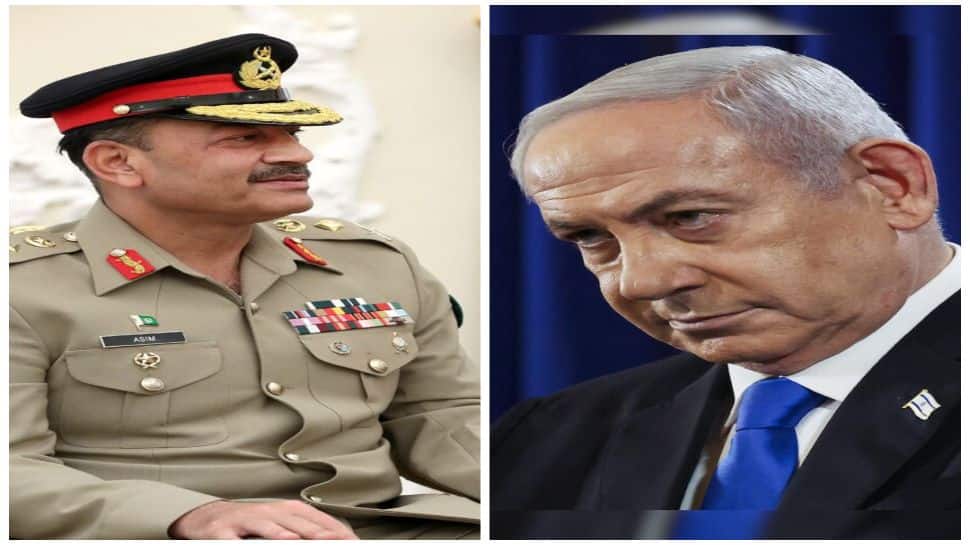
Internal military discussions in Pakistan have been rocked by the emergence of an alleged “rate card” that seemingly assigns monetary values to soldiers’ lives, sparking widespread embarrassment. This unofficial pricing system, circulating among officers and shared with media, points to a disturbing internal dynamic regarding duty and risk on the battlefield.
General Asim Munir’s ambition to rebrand Pakistan as a responsible military power led to a proposal for a large-scale deployment to Gaza. The plan involved around 20,000 soldiers tasked with disarming Hamas and stabilizing the region, not engaging Israeli forces. However, significant internal opposition arose, with soldiers expressing reluctance to fight a conflict perceived as not theirs, particularly against fellow Muslims.
To mitigate this internal resistance and boost morale, General Munir reportedly offered soldiers a financial incentive of $10,000 each. The situation took a sharp turn when intermediaries conveyed that Israel was unwilling to offer more than $100 per soldier for their participation. This offer, reportedly the lowest extended to any Muslim nation involved in similar discussions, was seen as a profound insult to the Pakistan Army, which has faced scrutiny for past inefficiencies and corruption.
The low offer created an untenable position for Munir. Accepting it meant undermining promises made and facing domestic criticism, while rejecting it meant abandoning a key foreign policy objective. Israel’s negotiation stance is believed to be influenced by past military events, such as the 1971 Bangladesh Liberation War. The Pakistan Army’s ongoing struggles against domestic insurgencies, resulting in significant troop losses, further shape external perceptions of its effectiveness.
Observers interpret Israel’s $100 figure not as malice, but as a pragmatic, albeit harsh, evaluation of the Pakistan Army’s operational capacity. General Munir’s grand vision for international recognition has instead led to a diplomatic setback. The leaked “rate card” has become a potent symbol of a military perceived to have lost its prestige. Pakistani officials are maintaining silence, citing operational secrecy, while Israeli representatives have not confirmed the payment cap. This episode has laid bare the internal challenges within the Pakistan Army and ignited a debate about its true value and standing.