

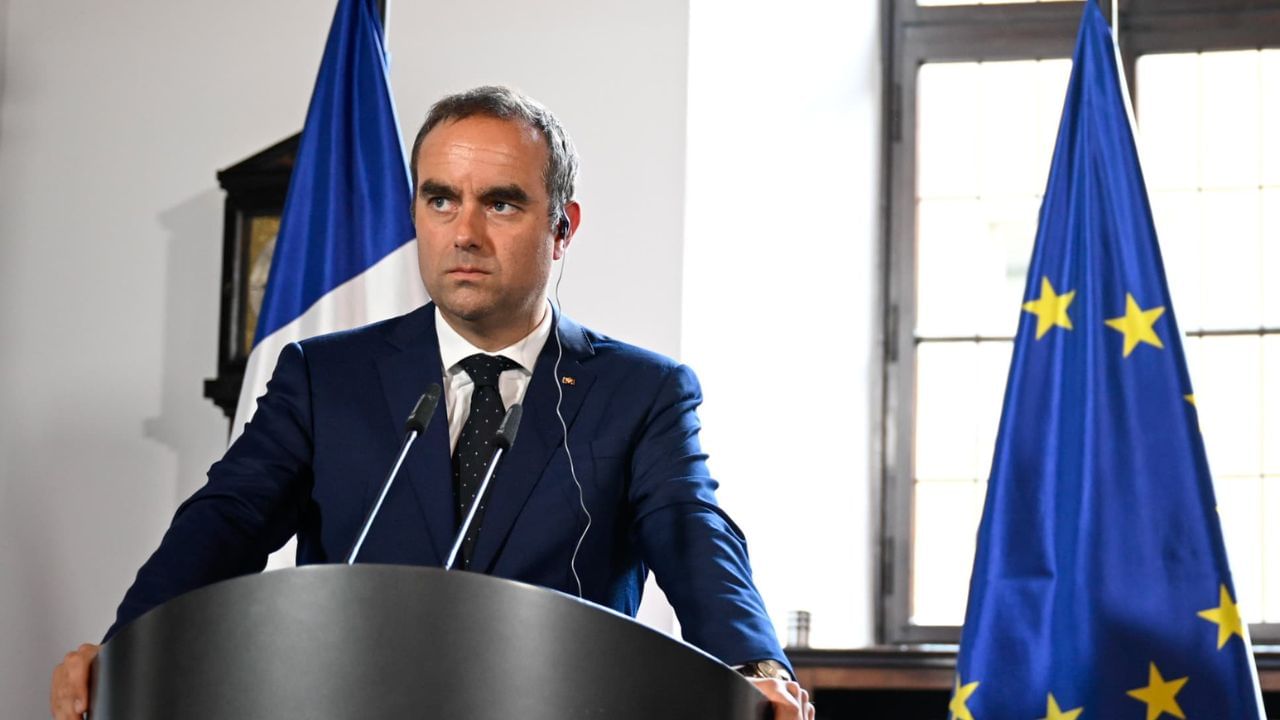
Sebastien Lecornu, the French Prime Minister, has resigned just one month after taking office. His resignation was prompted by his inability to pass the budget and overcome political stalemate. The Paris Stock Exchange saw a 1.7 percent dip following his departure.
Lecornu’s resignation came swiftly after the cabinet was assembled. Opposition parties had also put forward a motion of no-confidence in parliament, which he was unable to survive.
Following the formation of the cabinet, a meeting was planned, but Lecornu submitted his resignation prior to the meeting’s start. He likely foresaw that he wouldn’t secure parliamentary approval. Opting to resign was his choice to avoid a difficult situation.
Macron appointed Lecornu as Prime Minister about a month prior, but opposition parties contested his appointment. Lecornu faced opposition primarily for two reasons.
1. In the 2024 general elections, no single party gained a majority, but President Macron appointed his close allies to the Prime Minister’s seat. Consequently, France Bayrou was made PM. Macron faced accusations of constitutional overreach for his associates. However, Bayrou’s term was short-lived. Lecornu was then appointed, but he, too, failed to gain the House’s confidence.
2. France is experiencing significant economic challenges. The government’s debt is escalating. Public protests against these issues are continuous. The government presented budget cuts, resulting in widespread public disapproval. Passing this budget in the House was deemed unattainable. The budget was not passed during Bayrou’s term and Lecornu subsequently found himself in a vulnerable position.