

A critical wheat shortage is causing significant hardship across Gilgit-Baltistan, igniting widespread public anger towards the capital. Citizens are forced to endure long waits at ration distribution points daily, often returning home without the essential grain needed to combat the severe winter. For weeks, the availability of subsidized wheat, a vital resource for local families, has dwindled to alarming levels. This scarcity has made basic food security a daily struggle in Gilgit, Skardu, Hunza, and numerous smaller communities. The price of wheat in local markets has surged dramatically, placing it out of reach for a large segment of the population.
Residents and community advocates assert that this is not a natural disaster but a result of deliberate governmental inaction and neglect. They argue that the region, which is already politically marginalized, is consistently deprived of timely access to essential supplies. “This region always bears the brunt of shortages and is the last to recover,” commented a local vendor in Skardu, reflecting a sentiment shared by many who feel marginalized.
The food crisis is compounded by severe and persistent electricity blackouts throughout Gilgit-Baltistan. Many neighborhoods face power interruptions for extended periods daily, crippling businesses that depend on consistent power for operations. Students preparing for examinations are struggling to study in the dim light, a particularly galling situation given the region’s significant contribution to Pakistan’s hydroelectric power output. The underlying issue, many believe, lies in the region’s unique administrative status. As Gilgit-Baltistan operates outside Pakistan’s constitutional framework, it lacks representation in federal legislative bodies and judicial recourse to the Supreme Court. Consequently, critical decisions concerning local resources are made by distant authorities, leaving residents with a profound sense of disempowerment and a feeling of being exploited.
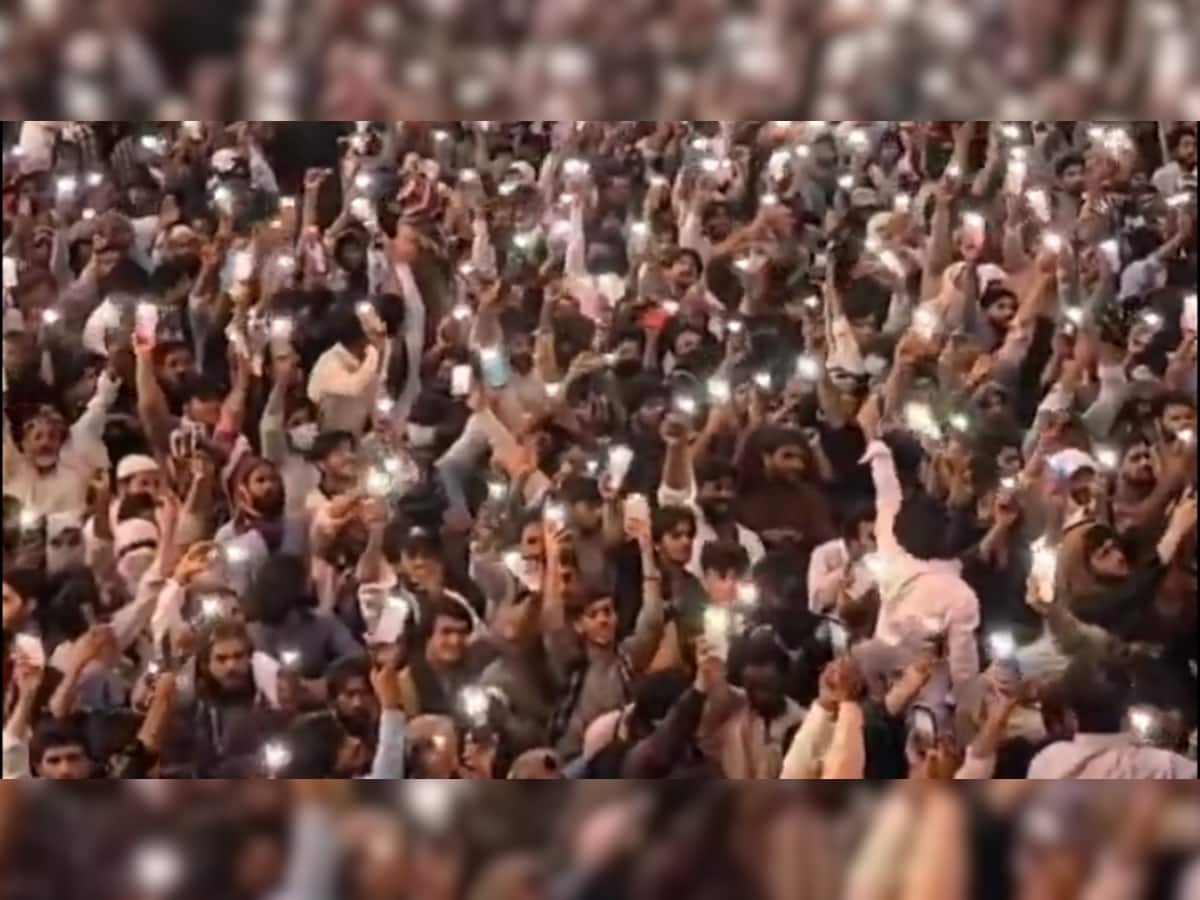
Civil society organizations have highlighted that the severity of the current wheat shortage could have been averted with timely intervention from federal authorities. Local administrations had previously alerted Islamabad to the declining wheat reserves. However, instead of augmenting supplies, residents claim they received only routine assurances and were told of logistical delays. The escalating shortages have spurred public protests, with citizens taking to the streets to demand the restoration of subsidized wheat distribution and accountability for the erratic supply chain. Many older residents have expressed deep concern, noting that such dire food scarcity was uncommon even in past difficult winters.
Protesters link the current food crisis to a broader pattern of what they perceive as exploitative policies. This includes land acquisition for infrastructure projects without adequate compensation, the export of hydroelectric power generated locally while communities remain in darkness, and the implementation of major development projects without any local consultation. They view these actions as indicative of a governance model that treats Gilgit-Baltistan as a peripheral entity, despite its strategic and economic importance. For the people of Gilgit-Baltistan, the immediate concern is survival. As winter deepens and no concrete solutions are offered by the government, the anticipation is grim. People are tired of being asked to wait, believing that these recurrent shortages expose a deeper issue: a resource-rich region struggling for basic sustenance due to its limited political influence.