

Gilgit-Baltistan is grappling with an acute wheat shortage, sparking widespread discontent and renewed criticism of the federal government. Daily life has been disrupted as residents, including families in Gilgit, Skardu, and Hunza, face immense difficulty in obtaining subsidized wheat, a critical food source during the winter months. Long queues are a common sight at ration depots, with many returning home without provisions as supplies dwindle. The soaring market prices for wheat have placed this essential staple out of reach for a growing number of households.
Community members and local traders alike are convinced that the current crisis is a result of deliberate oversight. They argue that Gilgit-Baltistan, already lacking full political rights, is consistently marginalized when it comes to essential resources. This winter’s wheat scarcity is seen as part of a larger pattern of neglect, where the region is the first to suffer during shortages and the last to recover. This unfolding food crisis is exacerbated by severe and persistent electricity outages, disrupting businesses and impacting students, particularly those preparing for exams. The irony is not lost on residents that this situation persists in a region that is a major producer of Pakistan’s hydropower.
The root of these persistent problems, according to many residents, lies in the region’s constitutional status. Gilgit-Baltistan operates outside Pakistan’s formal constitutional framework, lacking representation in the National Assembly and Senate and denied access to the apex court. This governance structure results in critical resource management decisions being made in Islamabad, with limited local participation or influence. A growing sentiment suggests the current system unfairly benefits from the region’s assets while failing to ensure basic provisions for its people.
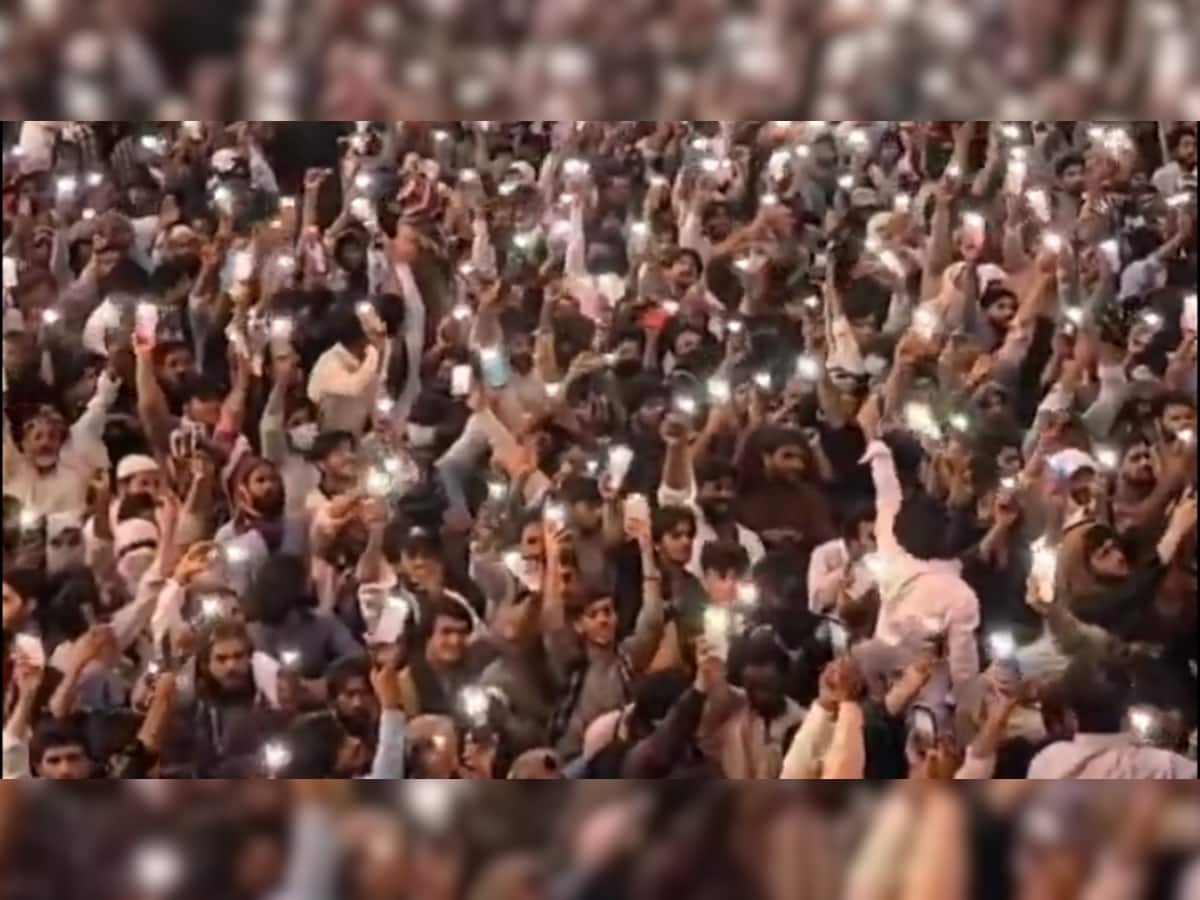
Civil society organizations have highlighted that federal authorities could have mitigated the current wheat shortage by acting on numerous warnings from local administrations about depleting stocks. Instead of augmenting shipments, residents report receiving only hollow assurances and blame being placed on logistical impediments. The escalating shortage has fueled public demonstrations, with protesters demanding the government reinstate regular subsidized supplies and explain the erratic distribution. Older residents have expressed dismay at their inability to secure basic grains, a situation previously rare even in lean years.
Many link the food shortages to a broader pattern of governance, including land acquisition for infrastructure projects without adequate compensation, the export of hydroelectric power while the region experiences blackouts, and the initiation of large-scale projects without local consultation. This suggests a governance model that treats Gilgit-Baltistan as a secondary entity, despite its significant strategic and economic value. For the people of Gilgit-Baltistan, the immediate challenge is ensuring access to food for their families. As winter deepens and official responses remain unclear, the fear of the crisis worsening looms large. Years of unfulfilled promises have led many to believe that the region’s struggle for basic sustenance is a direct consequence of its limited political leverage.