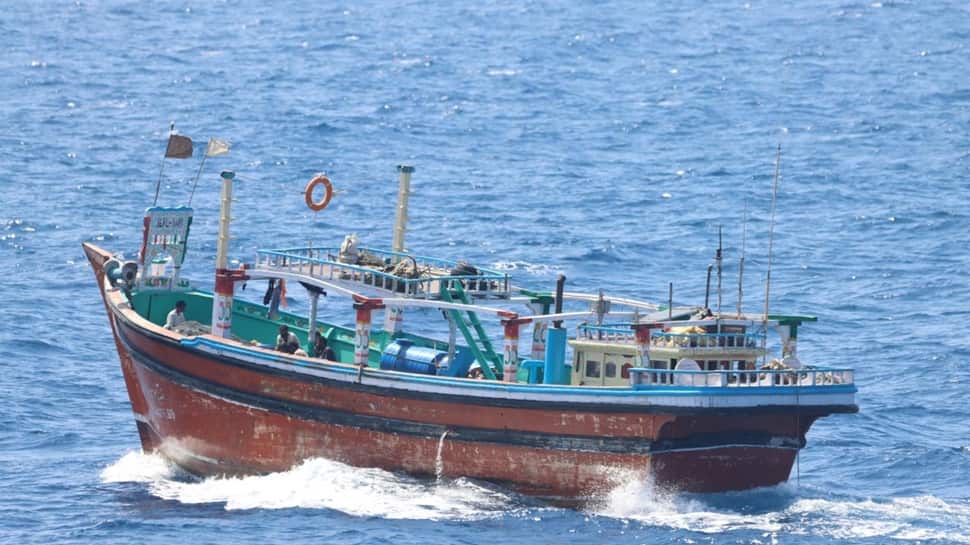
A shadowy maritime drug trade is flourishing along Pakistan’s Makran coast, with crystal methamphetamine emerging as the dominant illicit export. The process begins inland, with precursor chemicals from Afghanistan feeding small-scale meth labs. Product is then transported via road networks to fishing towns like Pasni and Gwadar, where it’s loaded onto dhows under the cover of night. These vessels, often carrying multi-ton quantities of meth, navigate towards the Gulf of Oman, supplying lucrative markets in the UAE and East Africa. International drug enforcement agencies, including the UNODC, have labeled this the ‘industrialization of the Southern Route,’ noting meth’s advantages over heroin in terms of weight and profit margins. Recent seizures by Omani and Emirati authorities, as well as by the Combined Maritime Forces and Indian Navy, underscore the scale of this operation. While Pakistan maintains that the vessels involved are ‘stateless,’ investigative clues, including fuel receipts and crew origins, consistently trace back to Balochistan. The demand for synthetic drugs in the Gulf region is a primary driver, with established smuggling networks ensuring consistent buyers. The remote and sparsely populated Makran coastline, with its numerous unmonitored inlets, provides an ideal environment for these operations. Concerns have also been raised about the potential for illegal cargo transfers occurring under the guise of legitimate activities at the Gwadar Port’s free zone. In response, India has intensified its maritime surveillance in the Indian Ocean, employing advanced technology to track and intercept these drug shipments. The meth trade has significant repercussions for Balochistan, contributing to corruption, financing illicit networks, and deepening societal dependence on the narcotics economy, creating a persistent challenge for regional stability and governance.
Crystal Meth Boom: Pakistan’s Makran Coast Fuels Gulf Drug Trade
 By The Chhattisgarh2 Mins Read