

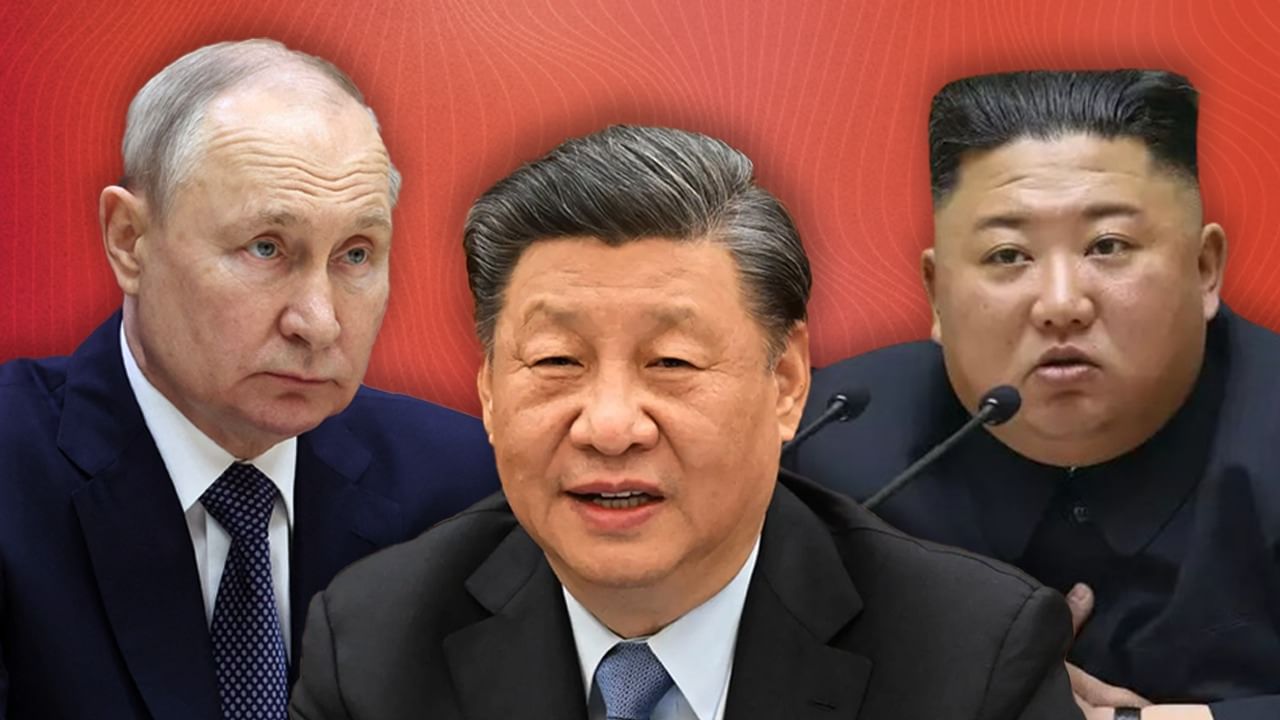
The China Day parade, a gathering of leaders from over 20 nations, served as a powerful demonstration of unity and strength. Russian President Vladimir Putin stated, “This platform shows that despite Western pressure, we stand united.” Kim Jong-un of North Korea added, “Asia’s voice will now be amplified under China’s leadership.” Experts like Wen-Ti Sung of the Atlantic Council view the parade as a symbol of China’s global ambitions, showcasing both military and diplomatic strength.
China’s economic growth and strategic partnerships challenge the existing global order. Xi Jinping has criticized the West’s ‘bullying politics,’ advocating for a shift away from the Cold War mentality towards partnership. China’s growing economic influence is evident in its trade figures, surpassing the US in the number of trading partners. This rise presents complex challenges for nations like India, which must balance its relationships with both China and the US, as highlighted by Foreign Minister S. Jaishankar’s statement that India does not accept any country’s dominance. With China’s economy potentially equaling the US’s by 2030, and the expansion of BRICS, questions arise about whether this leadership will be universally accepted or if it will create a new form of dominance. The shift is further underscored by China’s growing economic and military power.