

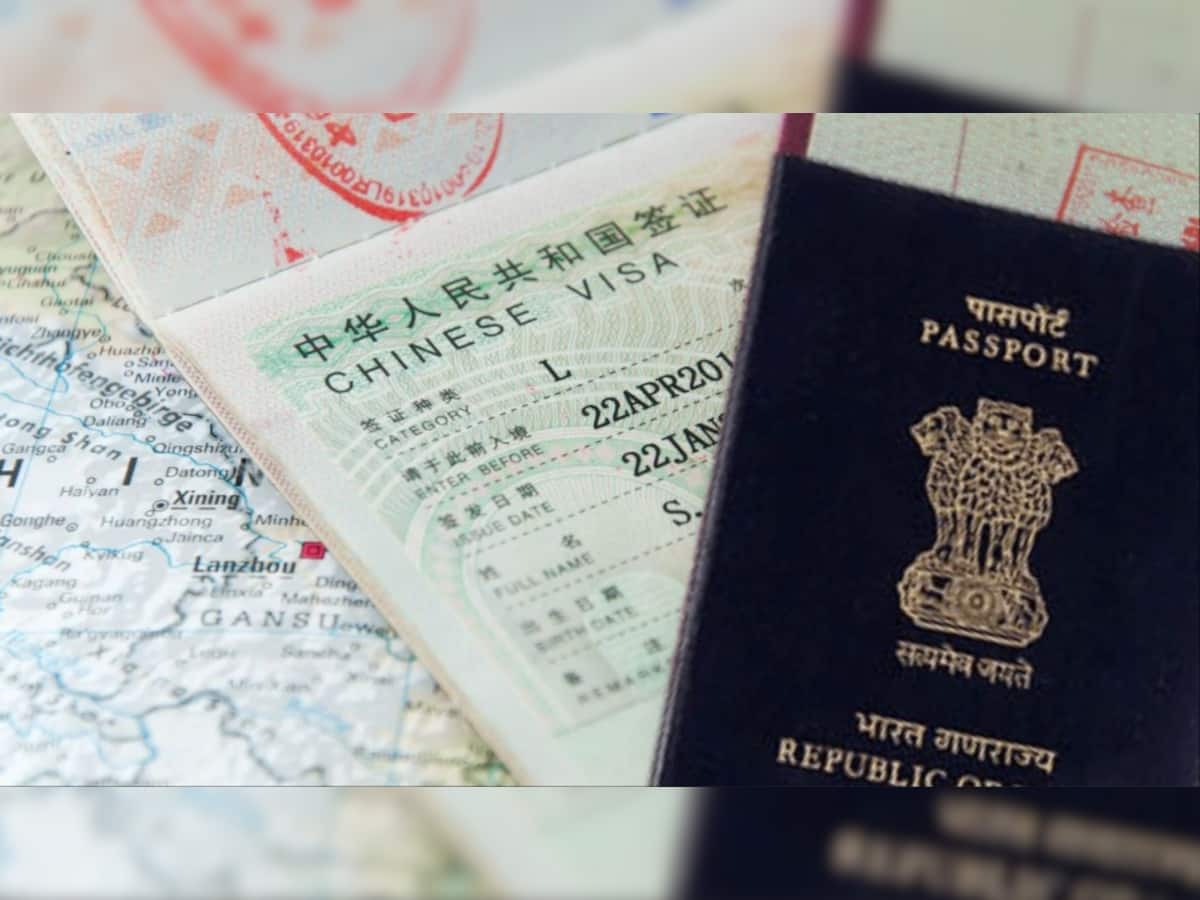
In a significant development for bilateral relations, India has expanded its resumption of tourist visas for Chinese nationals, allowing applications to be submitted through Indian diplomatic missions worldwide. This decision marks another stride in normalizing ties with China after a period of tension due to the military stand-off at the Line of Actual Control (LAC).
Previously, in July, India had begun reinstating tourist visas for Chinese citizens, but this was limited to applications made through its missions in Beijing, Shanghai, Guangzhou, and Hong Kong. The broader global reopening, implemented discreetly earlier this week, undoes the visa suspension that was put in place in 2020 following the Galwan Valley clash and the border stand-off. This clash was a particularly grim period, claiming the lives of 20 Indian soldiers and at least four Chinese troops, severely damaging relations.
People close to the matter reveal that India and China have recently concurred on several ‘people-centric initiatives’ aimed at fostering stability. Direct flights, halted since early 2020, recommenced in October. Both countries have also agreed to reinstate the Kailash Manasarovar Yatra, a pilgrimage to holy sites in Tibet, scheduled for this summer. Enhancements in visa facilitation for a wider range of travelers and joint celebrations for the 75th anniversary of diplomatic ties are also part of the plan. Numerous events commemorating this anniversary have already been held in embassies and consulates.
These facilitated exchanges are designed to boost people-to-people connections, aligning with directives from the leaders of both nations. The path towards normalization gained momentum following an agreement in October 2024 on disengaging frontline troops along the LAC. This breakthrough was followed by a summit in Kazan between Prime Minister Narendra Modi and President Xi Jinping, where they agreed to revive various bilateral mechanisms to tackle persistent issues, notably the border dispute.
Since this meeting, high-level engagements, including talks between foreign and defense ministers, national security advisors, and Special Representatives on the boundary question, have become more frequent. These discussions have paved the way for renewed cooperation in areas such as border trade and economic collaboration. Notably, China has begun addressing India’s trade concerns, including export limitations on vital rare earth minerals. These combined efforts signify a deliberate and steady process of rebuilding a critical Asian partnership.