

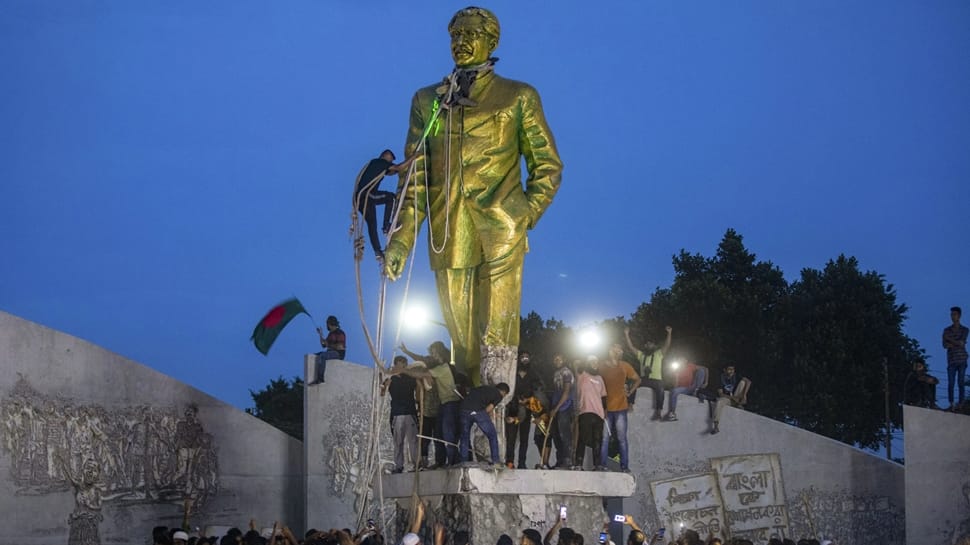
Concerns are mounting over the stability of Bangladesh, even as an interim government promises elections early next year. Instead of a return to normalcy, the country is reportedly descending into greater turmoil, with radical groups gaining significant leverage.
The political landscape is fraught with uncertainty. Prominent parties, including the Bangladesh Nationalist Party (BNP), are increasingly skeptical about the possibility of free and fair elections, and some even doubt whether elections will occur at all. A critical point of friction appears to be the growing rift between student leaders and the advisory council of the interim government.
This emerging conflict between students and advisers could be the next major threat to national stability, following the August 2024 uprising that led to Sheikh Hasina’s removal.
The student movement, now consolidated under the National Citizen Party (NCP), intends to participate in elections expected in February 2026. However, significant distrust has developed within the NCP towards some members of the interim government, headed by Muhammad Yunus. These advisers are accused of secretly negotiating with political parties to ensure their own future security. The gravity of these accusations was underscored by NCP leader Sarjis Alam’s chilling remark that death might be the only exit for the advisers, highlighting the deep chasm of mistrust.
This situation is being watched closely by international observers, who see it as a potential precursor to widespread unrest, potentially mirroring past events and leading to renewed street protests by the NCP. Furthermore, intelligence reports suggest the involvement of Pakistan’s ISI, allegedly collaborating with Jamaat-e-Islami to foment instability. An unsettled Bangladesh is seen as advantageous for the ISI, particularly in its strategic calculations concerning India’s security. The ISI’s activities, including the establishment of terror camps, are often viewed through an India-centric lens, with regional chaos serving its interests.
Student leaders in the NCP also suspect that certain interim government advisers are seeking alliances with established political entities to secure their positions and maintain their privileged status post-election. They feel the interim government has not adequately fulfilled the aspirations that fueled the August uprising, particularly regarding the restoration of order and the establishment of a forward-looking administration.
Since the overthrow of Sheikh Hasina and the formation of the interim government, Bangladesh has been plagued by negative developments, including increased radicalization, Islamist assertiveness, economic decline, suspected ISI interference, and a rise in the persecution of minorities.
The NCP is actively advocating for elections, but a growing suspicion exists regarding the willingness of influential groups like Jamaat to genuinely proceed with the electoral process. Even if elections are held, a pervasive public doubt about their fairness casts a shadow over the democratic future, with many citizens expressing reluctance to vote in an anticipated compromised process. The current internal strife within the administration and the broader public apprehension strongly suggest that another period of significant public mobilization is on the horizon.