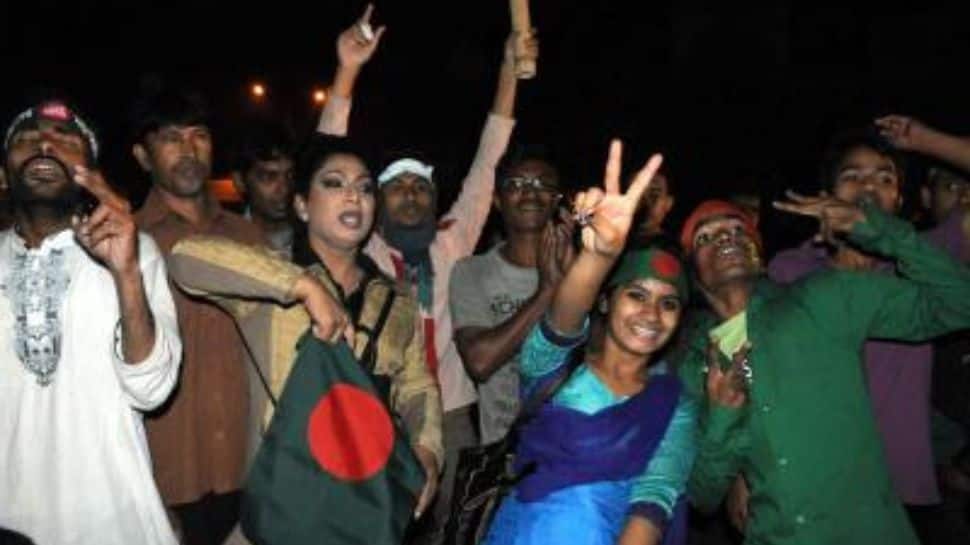
A new report sheds light on the significant and persistent popularity of the Awami League (AL) in Bangladesh, even as the country faces calls to boycott the upcoming February 2026 elections. The interim government, led by Muhammad Yunus, has attempted to minimize the impact of such boycott calls. However, the report underscores the AL’s deep connection with voters. Even during its less successful 2001 election bid, where it won 62 out of 300 seats, the Awami League still managed to secure over 22 million votes. This demonstrates a formidable grassroots following, nearly matching the vote count of the Bangladesh Nationalist Party (BNP), which won a considerably larger number of seats. Political commentator Masood Kamal observed that a vast number of Awami League supporters are ‘ideologically and historically devoted’ to the party, remaining steadfast despite accusations against its leaders. Kamal also criticized the practice of banning political parties through executive orders, calling it a ‘sign of a civilized society’ and a contradiction to the interim government’s purported aim of unity, which he argued has devolved into division. Moreover, six prominent international human rights groups have jointly appealed to the interim government to cease imposing party bans, highlighting the potential to erode democratic rights and electoral fairness, and warning of disenfranchising a substantial portion of the voting population. Concerns are also mounting for the Jatiya Party, which, while not officially banned, has been excluded from reform talks and faces demands for a ban, signaling broader anxieties about the future of political diversity in Bangladesh.
Bangladesh Election Prospects: Awami League’s Strong Popularity Affirmed
 By The Chhattisgarh2 Mins Read