

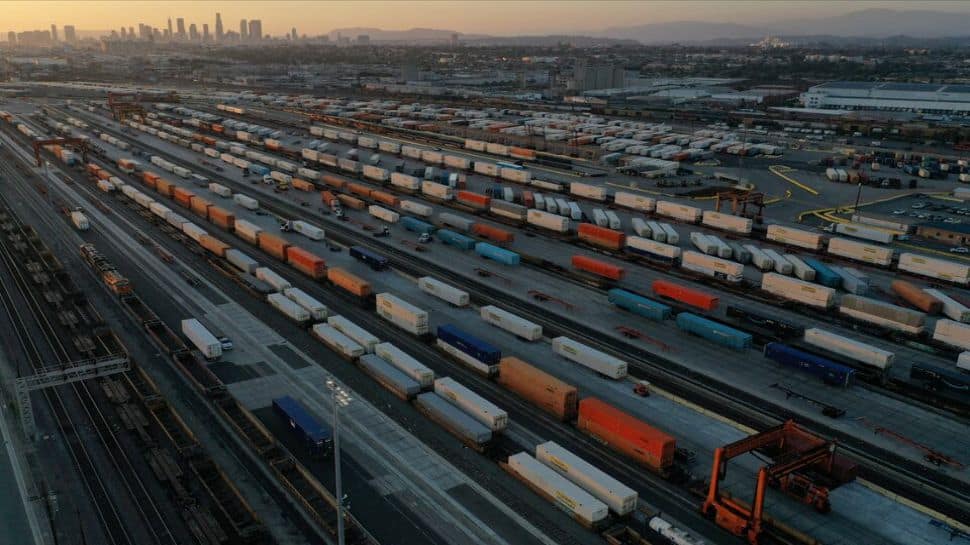
The United States boasts the planet’s most extensive railway system, a sprawling network of over 220,000 kilometers of tracks. This incredible length, capable of encircling the Earth more than five times, serves as the critical artery for American commerce and industry. It seamlessly connects major ports with inland cities, agricultural regions with manufacturing centers, and diverse communities across the vast nation.
This impressive infrastructure has roots in the 19th century, a period of intense competition among private rail companies aiming to unify the country via rail. The groundbreaking transcontinental railroad, completed in 1869, marked a turning point. The subsequent decades saw mergers and acquisitions, forming the large private freight rail corporations that still operate today. This private enterprise model fostered extensive growth and innovation.
The US rail network is predominantly a freight powerhouse. While not known for high-speed passenger rail like Japan or Europe, it excels at moving bulk commodities and manufactured goods over extreme distances. Essential cargo, including coal, agricultural products, vehicles, and intermodal containers, traverses the country daily. The efficiency is striking: one freight train can replace hundreds of trucks, demonstrating superior fuel economy and reduced environmental impact.
Beyond the sheer length, the system is a marvel of engineering, featuring long, straight stretches and historic structures. It supports thousands of operators, from national giants to regional providers. The economic contribution is immense, with the freight rail sector generating significant economic output and continuously reinvesting in its infrastructure. Its fuel efficiency also positions it as a crucial element in sustainable logistics, offering a greener alternative to road transport and reinforcing national economic resilience.