

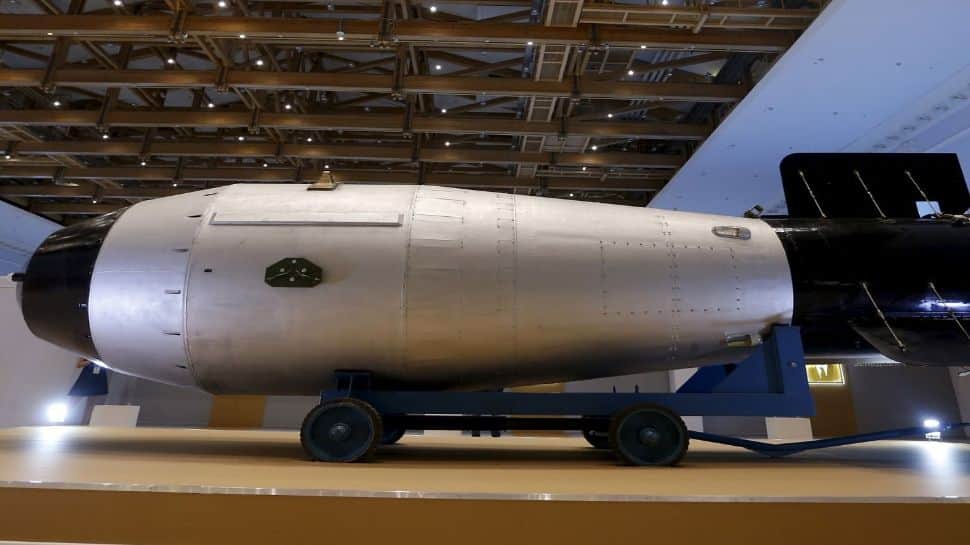
The United States is set to resume nuclear testing after more than three decades, a move announced in the shadow of growing military capabilities of Russia and China. President Trump stated that this decision is a necessary countermeasure to the rapid weapon build-up by these global powers, asserting the U.S. leads in nuclear arsenal size. U.S. authorities pointed to recent long-range nuclear-capable system tests by Russia and China’s expanding nuclear program as immediate catalysts. Reports indicate China has not only increased its stockpile but also conducted tests of non-nuclear thermonuclear devices. These developments are fundamentally altering the global security paradigm, prompting reassessments from nations worldwide.
The implications for India are being closely analyzed. Strategists and former advisors to the Indian government suggest that this U.S. policy shift could necessitate India revisiting its own nuclear testing strategy, specifically a thermonuclear test. Such a move would aim to strengthen India’s deterrence against China, particularly recalling the incomplete success of its 1998 thermonuclear experiments. If regional tensions escalate, India might feel compelled to showcase its advanced strategic capabilities. Past international attempts to limit nuclear testing proved ineffective, failing to prevent the South Asian nuclear tests of 1998. Western nations are urged to consider India’s security concerns seriously as it contemplates enhancing its defensive posture.
Within India, discussions are echoing historical arguments made by scientists who favored keeping nuclear test options open. A strong thermonuclear deterrent is widely considered by strategists to be a crucial element for regional stability. While concerns about provoking Pakistan and sparking a new global arms race are being voiced, others argue for the necessity of a powerful deterrent. The current global nuclear landscape features nine states with approximately 13,000 warheads, a significant decrease from the Cold War era. The U.S. and Russia dominate deployed warheads, with China’s arsenal growing rapidly, and India and Pakistan maintaining smaller, yet significant, holdings. The U.S. decision is reigniting critical debates on nuclear deterrence and strategic balance in Asia.