

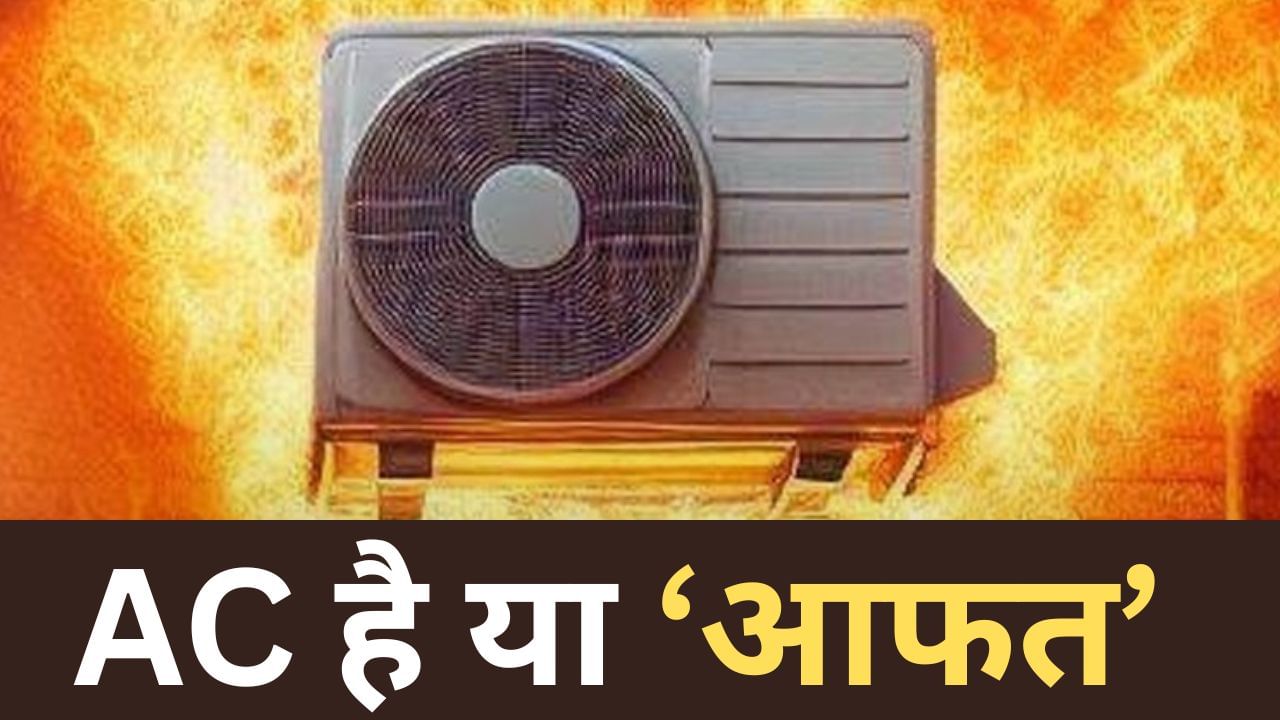
AC explosions pose a significant safety risk, causing serious injuries and fatalities. The recent tragedy in Faridabad, where an AC blast claimed three lives, highlights the need for awareness. This article explores the root causes of AC explosions, identifies the warning signs, and provides actionable steps to prevent such incidents.
Key Causes of AC Blasts:
* Poor Wiring: Faulty wiring during installation or degradation of older AC units can lead to explosions.
* Electrical Issues: Electrical problems are a major cause, emphasizing the importance of regular AC servicing to detect and rectify potential issues.
* Gas Leaks and Overheating: Insufficient maintenance can result in compressor overheating and refrigerant leaks, both of which are hazardous.
* Blockages in the System: Blocked filters, often due to dust accumulation, can reduce cooling and increase compressor strain, leading to potential explosions.
Warning Signs to Watch Out For:
* Abnormal Sounds: Any unusual noises, such as rattling or banging, should be immediately investigated.
* Burning Smell: A burning smell indicates overheating wiring or components, and the AC should be switched off immediately.
* Overheating of the Indoor Unit: Excessive heat from the indoor unit might indicate a stressed compressor.
* Smoke Emission: The presence of smoke necessitates immediate action and professional inspection.
* Erratic On-Off Behavior: Frequent cycling on and off might point to electrical problems within the AC.
* Sparking: Seeing sparks near the plug warrants an immediate shutdown of the house’s electrical supply.
Preventive Measures to Take:
* Routine Maintenance
* Regular Filter Cleaning
* Avoiding Extended Usage
* Using Proper Wiring and Stabilizers
* Addressing Odd Noises and Smells
AC Gas Information: The article highlights the common use of R32 gas, which is environmentally friendly and energy-efficient, and the presence of some models using R-410A gas.