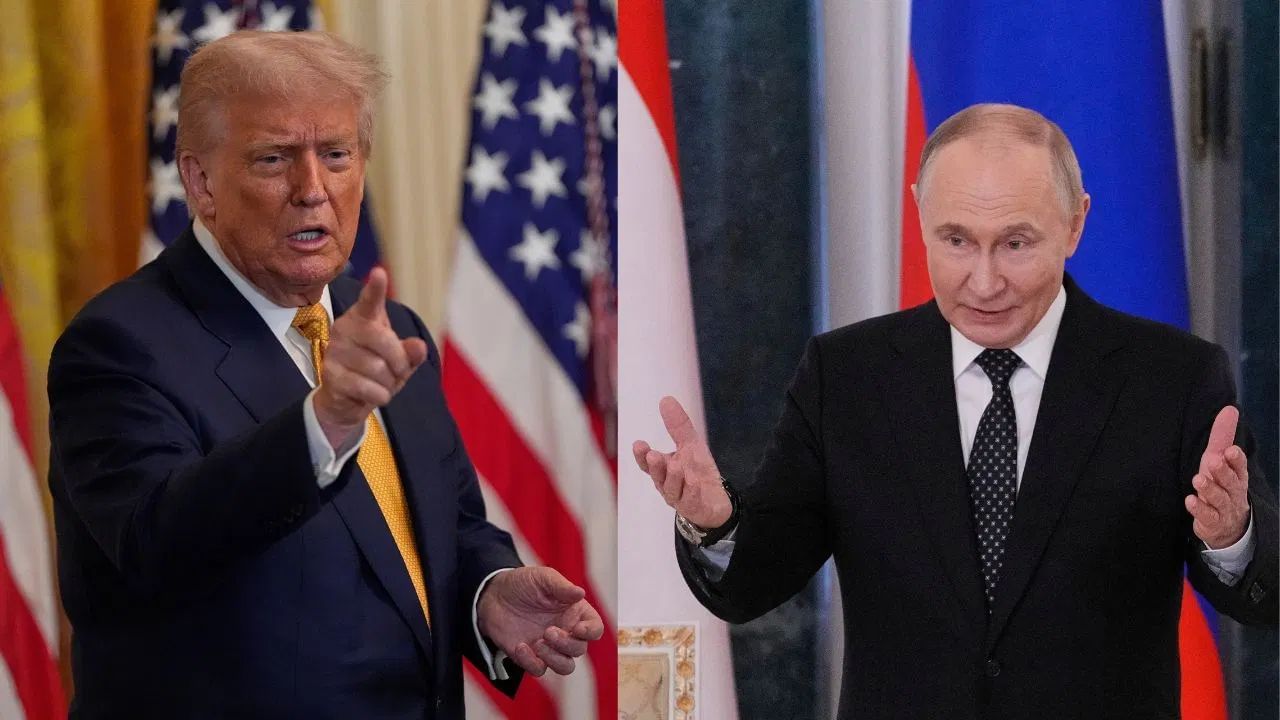
As the conflict in Ukraine continues, with over three and a half years passed, negotiations aimed at ending the war are underway. A key development is the planned meeting between Donald Trump and Vladimir Putin in Alaska on August 15th. However, prior to this summit, Russia has taken actions against WhatsApp, a U.S.-based tech company. WhatsApp has accused Russia of trying to hinder secure conversations for its citizens, specifically by blocking calls on the messaging app. The company suggests that this action is part of a broader effort by Russia to boost its domestic social media platforms and control the internet. Russia has responded, stating that it has blocked some calls on WhatsApp and Telegram. These actions are justified, according to Russia, because the platforms have allegedly failed to provide vital information to authorities about cases related to fraud and terrorism. Despite the restrictions on calls, text and voice notes remain unaffected. This move is an extension of the existing tension between Russia and Western tech companies. Russia has already banned Facebook and Instagram and has previously restricted YouTube. WhatsApp has expressed its commitment to providing end-to-end encryption globally, emphasizing the importance of secure communications for its users. The Russian government is also promoting its new messaging app, MAX, which is connected to government services. Critics fear that MAX could be used for surveillance. Government officials are encouraging users to migrate to MAX. This is part of a larger strategy by Russia to gradually limit the availability of services, such as slowing down YouTube. A new law has been implemented that increases censorship, imposing fines for accessing content Russia deems extremist, even using VPNs. The situation reflects Russia’s continued efforts to control its internet space.
Russia Restricts WhatsApp Calls Before Trump-Putin Summit in Alaska
 By The Chhattisgarh2 Mins Read