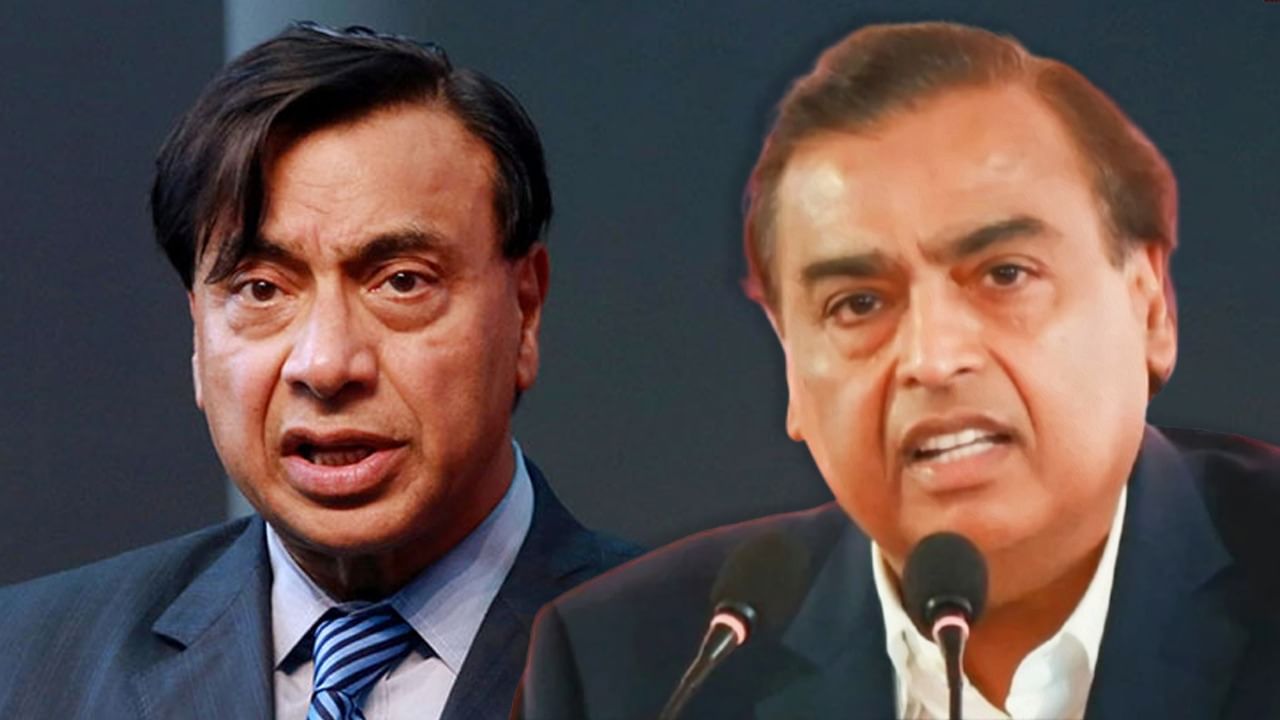
The Indian telecom landscape is bracing for a potential tariff war, possibly fueled by Reliance Jio’s forthcoming IPO, scheduled for the first half of 2026. Anticipating the IPO, both Jio and Airtel are expected to raise tariffs to enhance their profitability and appeal to potential investors. Initially, the focus was on low-cost plans, but both Jio and Airtel have since discontinued their cheapest offerings. This adjustment has directly impacted the Average Revenue Per User (ARPU). Airtel’s ARPU has reached Rs 250, while Jio’s ARPU stands at Rs 208.8. Increasing tariffs is expected to improve Jio’s Return on Capital Employed (ROCE), thus making the IPO a more appealing investment. Jio currently boasts over 500 million users, while Airtel has 362.8 million. Vodafone Idea (Vi) has a user base of 197.7 million. If Jio increases its tariffs, Airtel is likely to raise its prices as well, thus bolstering the financial performance of both firms. Vi, on the other hand, could be further strained. Analysts project Jio’s valuation to be around $133 billion (approximately 11 lakh crore). The IPO could potentially generate around $3 billion for Jio. Some experts believe that Reliance Industries’ shareholders might not see substantial gains due to the potential for a holding company discount. Mobile data and calling plans are predicted to become more expensive in the coming months, leading to higher recharge costs for mobile users. Jio and Airtel are poised to strengthen their positions, while Vi could face additional difficulties. Jio’s IPO will not only affect the stock market but also directly impact the expenses of mobile users. Both Ambani and Mittal have their respective strategies in place, but the ultimate impact will likely be felt by the average consumer.
Jio IPO to Spark Tariff Hikes: A Look at Ambani and Mittal’s Strategies
 By The Chhattisgarh2 Mins Read