

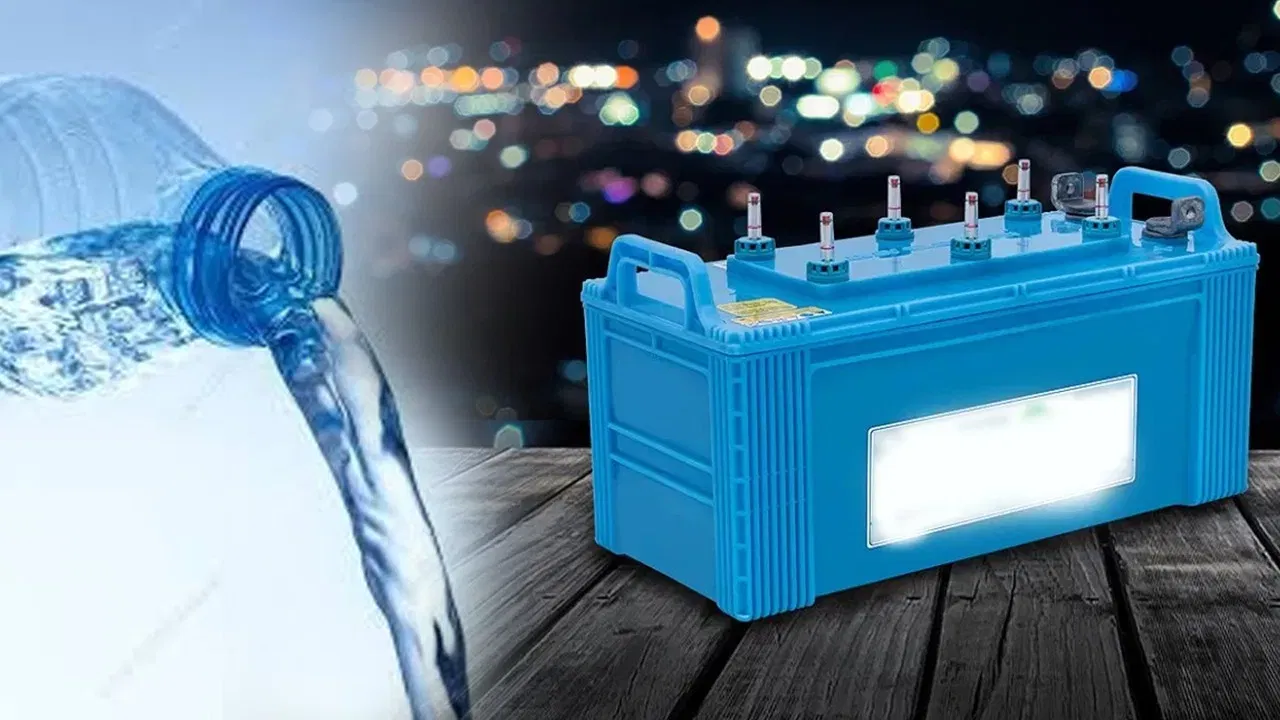
With inverters now a household staple, particularly during power cuts, the importance of battery maintenance is often overlooked. The simple act of adding distilled water to your inverter’s battery is vital, yet frequently neglected by many. This article explains why this seemingly small task is essential to your inverter’s longevity and performance.
Inverter batteries function through lead-acid cells, using an electrolyte solution composed of liquid acid and distilled water. During the charging and discharging cycles, water gradually evaporates. Failure to replenish the water level leads to a decline in the electrolyte, impacting the battery’s efficiency.
Maintaining the correct electrolyte level with distilled water is crucial for optimal battery function. This practice prolongs battery life, helps to prevent overheating, and ensures the battery remains operational for years. Overheating can cause severe damage, even leading to battery failure. Furthermore, proper water levels contribute to effective charging and reliable backup power.
Using tap water is strictly discouraged. Tap water contains contaminants that can corrode internal components, leading to reduced performance and a shorter lifespan. Regular checks and the addition of distilled water are key to your inverter’s longevity.