

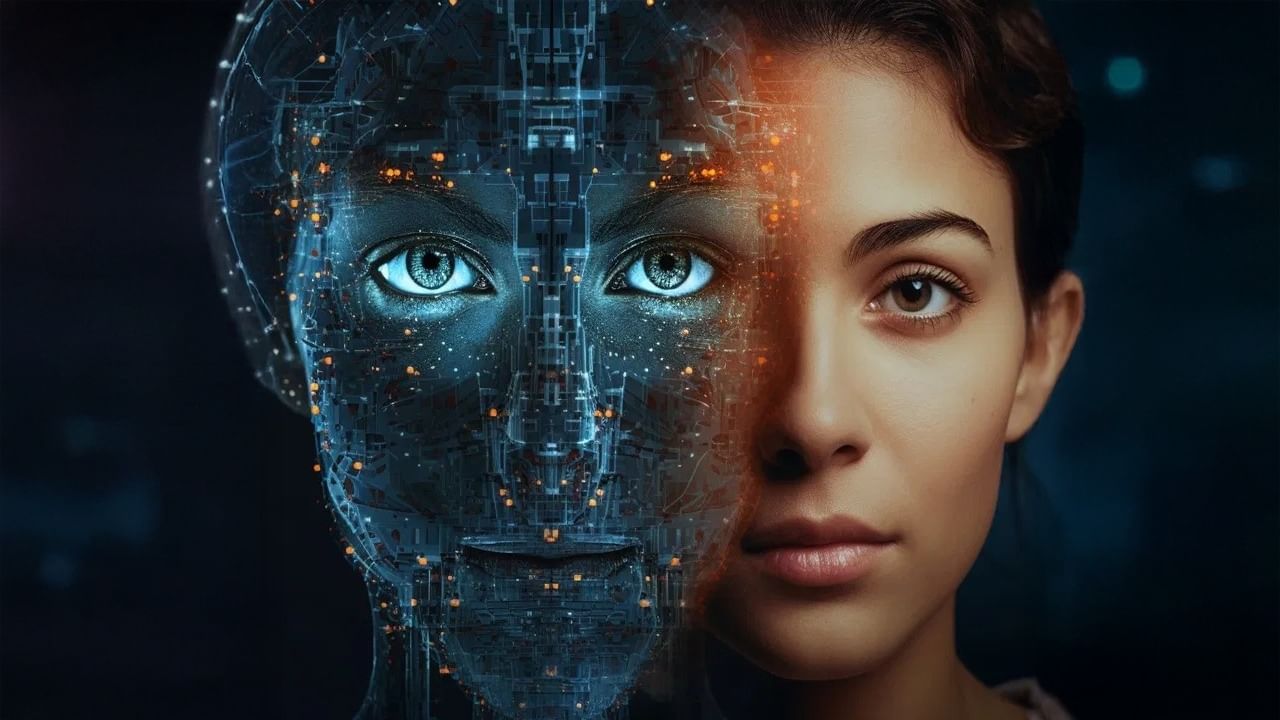
The rise of artificial intelligence has brought forth deepfake technology, a tool with the power to manipulate audio and video, thereby impacting public perception and trust. The threat posed by deepfakes is not only to individuals but also to democratic processes. Denmark is set to become the first nation to enact comprehensive legislation against this technology. The proposed laws will criminalize the unauthorized use of someone’s voice or image for deceptive purposes and impose severe penalties on those who disseminate deepfake content. Social media platforms will also be obligated to remove such content from their networks.
Deepfake technology utilizes advanced AI, specifically artificial intelligence and machine learning, to alter or fabricate audio and video content. The manipulation is designed to make the altered content appear authentic, blurring the lines between reality and fabrication. The term ‘deepfake’ stems from the combination of ‘deep learning’ and ‘fake,’ reflecting the technology’s reliance on deep learning techniques.
Deepfakes function by employing AI-powered machine learning models, relying on two primary algorithms: an encoder and a decoder.
* **Encoder:** This algorithm analyzes the video and images of a real person, capturing their facial expressions and vocal characteristics.
* **Decoder:** Following the encoder’s analysis, the decoder algorithm integrates the captured characteristics into other video or audio content, iteratively refining the content until a convincing replica is achieved.
**Dangers of Deepfakes:**
* **Political Manipulation:** Deepfakes can be used to disseminate false information about political figures, potentially influencing elections.
* **Social Harassment:** The technology facilitates the creation of fabricated content to defame or blackmail individuals.
* **Spread of Misinformation:** Deepfakes can be used to fabricate news stories, potentially inciting unrest and disorder.
* **Cybercrime:** Deepfake technology can be utilized in financial scams and identity theft.
**Deepfake’s Intentions:**
* Propagate false news and misinformation
* Damage reputations and engage in cyberbullying
* Create social and political instability
* Facilitate fraud and scams
* Erode trust
**Preventive Measures:**
* Exercise caution and avoid immediately sharing sensational videos
* Verify the source of videos
* Use tools like Google Reverse Image Search to verify the authenticity of videos
* Avoid unquestioningly believing online content about individuals
* Report any suspicious content to social media platforms
**Deepfake Outlook:**
As AI and machine learning advance, deepfake technology is expected to become even more sophisticated. Governments must remain vigilant as the risks associated with the technology intensify. While the technology can be used for positive purposes, it also has the potential for widespread misuse and harm.
**Global Imperative:**
The global community is increasingly concerned about deepfake technology. Countries like the United States, the European Union, and India are treating it as a matter of national security. International organizations are urging the creation of a global framework enabling each country to implement relevant laws.