

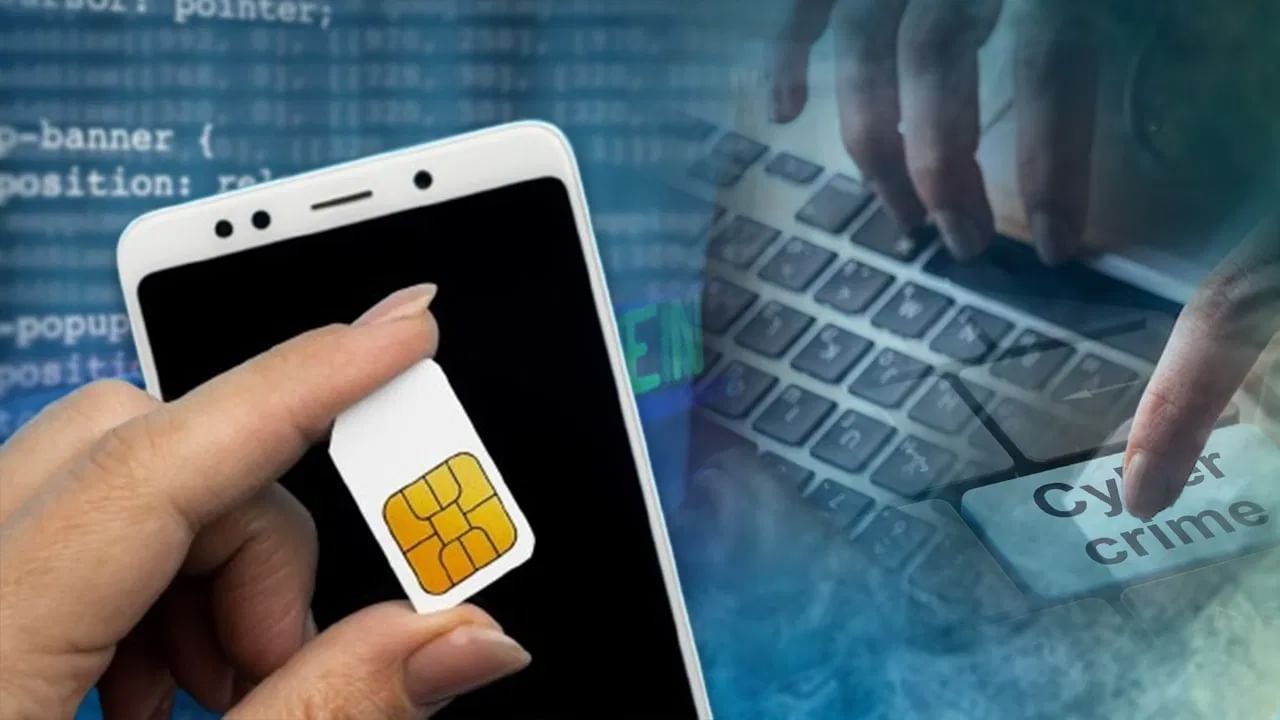
In response to the escalating fraud cases in India, the Department of Telecommunications has taken decisive action by blocking roughly 300,000 to 400,000 SIM cards. These SIM cards were identified as being used for fraudulent activities, prompting a stricter approach by the Indian government to combat spam, scams, and fraudulent practices. Alongside the SIM card block, the regulations surrounding SIM card issuance have been tightened, and a comprehensive surveillance system has been put in place to enhance the detection and monitoring of individuals involved in fraudulent activities.
Data from the Financial Risk Indicator, released in May 2025, reveals that approximately 2,000 SIM cards linked to financial scams are being identified each day. AI-powered technology is employed to effectively detect, manage, and identify fraudulent SIM cards.
The introduction of UPI has simplified financial transactions, but it has also been exploited by fraudsters to deceive and steal money from individuals. Consequently, all banks in India have been instructed to incorporate Financial Risk Indicators into their systems. These indicators assess mobile numbers and assign them to risk categories, including low, medium, and high risk.
Reports suggest that this proactive measure has significantly decreased the time required to address fraudulent accounts. Financial institutions and banks are now better equipped to prevent fraudulent transactions by leveraging the Financial Risk Indicator. Furthermore, telecom companies are proactively enhancing security measures within their network infrastructure to shield the public from fraudulent activities.
To protect yourself from fraud, it is crucial to:
* Exercise caution and avoid clicking on suspicious links.
* Be wary of unknown calls and messages.
* Utilize only official applications.