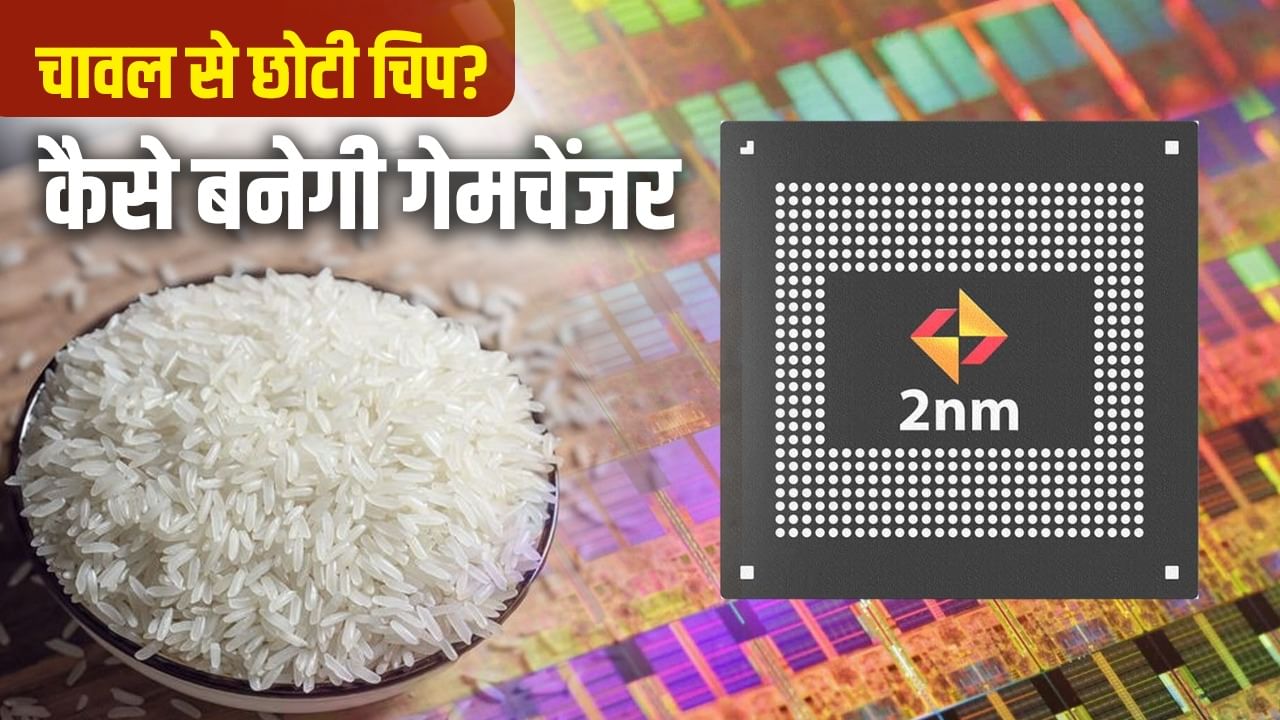
India is making significant strides in the semiconductor industry with the development of 2nm chip technology. The establishment of a new ARM design office in Bengaluru marks a pivotal moment, enabling India to join a select group of nations capable of advanced chip manufacturing. This initiative is a cornerstone of India’s vision to become a global semiconductor hub. Union Minister Ashwini Vaishnaw announced that 2nm chips will be both manufactured and designed within India, with British semiconductor company ARM leading the production efforts. The new center in Bengaluru, launched on September 16th, will be the hub for this advanced chip development. Prior to this, design centers for 3nm chips were launched in Noida and Bengaluru in May 2025. The significance of 2nm chips lies in their smaller transistors, which translate to faster processing speeds and reduced energy consumption. This advancement is particularly crucial for applications in smartphones, artificial intelligence, and supercomputing. Until now, this level of technology has been primarily limited to countries like Taiwan, South Korea, the United States, China, and Japan. India’s entry into this domain is a significant achievement on the global stage. Current flagship smartphones utilize 3nm processors, with the next generation expected to incorporate 2nm chips within the next couple of years. The global semiconductor market is projected to reach $1 trillion by 2030, and India aims to contribute substantially, with an estimated $100-110 billion. The push towards 2nm technology will bolster the ‘Make in India’ and ‘Atmanirbhar Bharat’ initiatives, strengthening India’s position in the global chip supply chain. The government’s India Semiconductor Mission has approved 10 projects across six states, with a total investment of ₹1.6 lakh crore. A government support of ₹76,000 crore is also planned. The electronics manufacturing sector in India has seen a sixfold increase over the last 11 years, fueling the demand for semiconductors, and the government’s goal is to achieve self-sufficiency not only in assembly but also in chip design and manufacturing.