

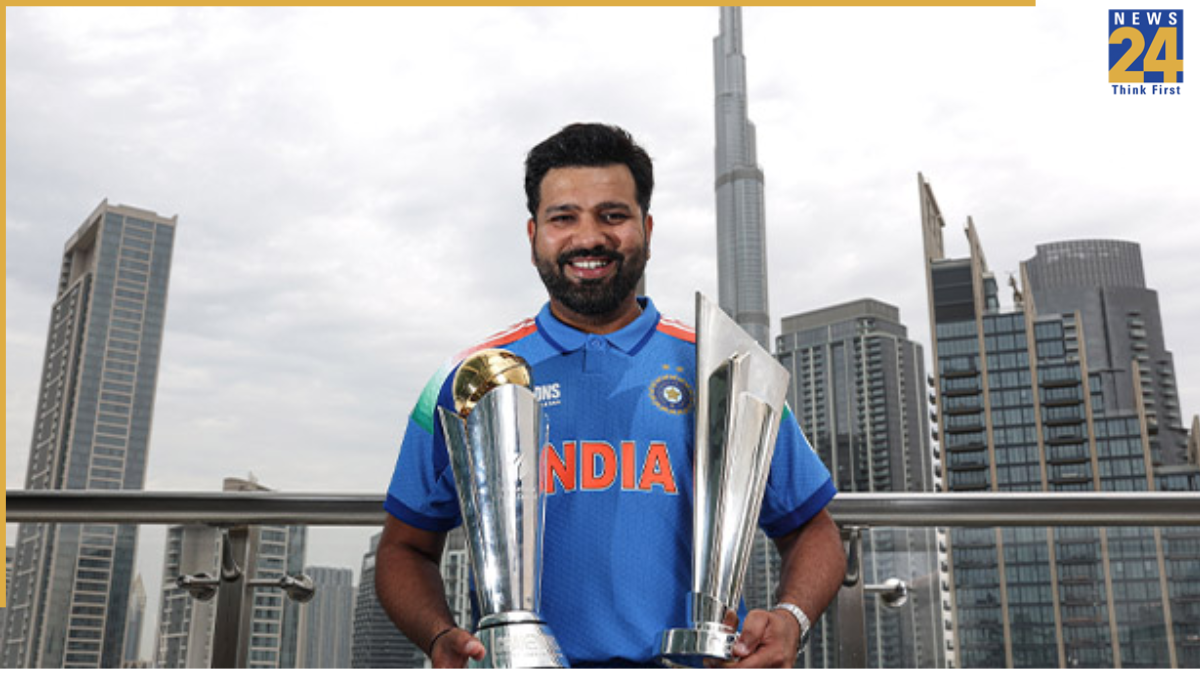
The Indian cricket team for the ODI series against Australia was announced, featuring the return of Rohit Sharma and Virat Kohli. The biggest talking point was the BCCI’s decision to remove Rohit Sharma from his role as ODI captain. The move was implemented to foster a positive and united team environment. Shubman Gill, already India’s Test captain, has been appointed as the leader for the 50-over format.
Ajit Agarkar, the BCCI’s head of selection, cited the difficulty of having different captains for each format. However, a report in the Times of India provided a deeper insight into the decision-making process. The selectors were reportedly worried about Rohit Sharma’s potential influence on team matters, fearing it could disrupt team cohesion and dressing room dynamics.
A source quoted in the Times of India stated: ‘A player of Rohit’s stature in a leadership role would have meant he would get to drive his philosophy in the dressing room. But with him playing only in ODIs, a format which is played the least, it could have disturbed the team culture.’
The report also shed light on head coach Gautam Gambhir’s evolving role, indicating that he became more involved after setbacks in Test series. According to the source, ‘Gambhir had taken a back seat in Tests and ODIs in the first six months of his assignment, but the debacles against New Zealand and Australia prompted him to take charge more firmly.’
The BCCI source added, ‘It has been a collective effort by Gambhir and Agarkar. They understand that it will be tough for both Rohit and Kohli to be at their peak after two years, given that they are in their late 30s. They didn’t want to be caught off guard if suddenly Rohit or Kohli’s form dipped. It would have created chaos in the leadership group.’
Rohit Sharma and Virat Kohli will now play under Shubman Gill’s leadership in the upcoming Australia ODIs. Their future in the format is uncertain, with the 2027 ODI World Cup still a couple of years away. Gambhir and Agarkar reportedly want to safeguard the team’s preparation from potential disruptions caused by any decline in the form of key players.