

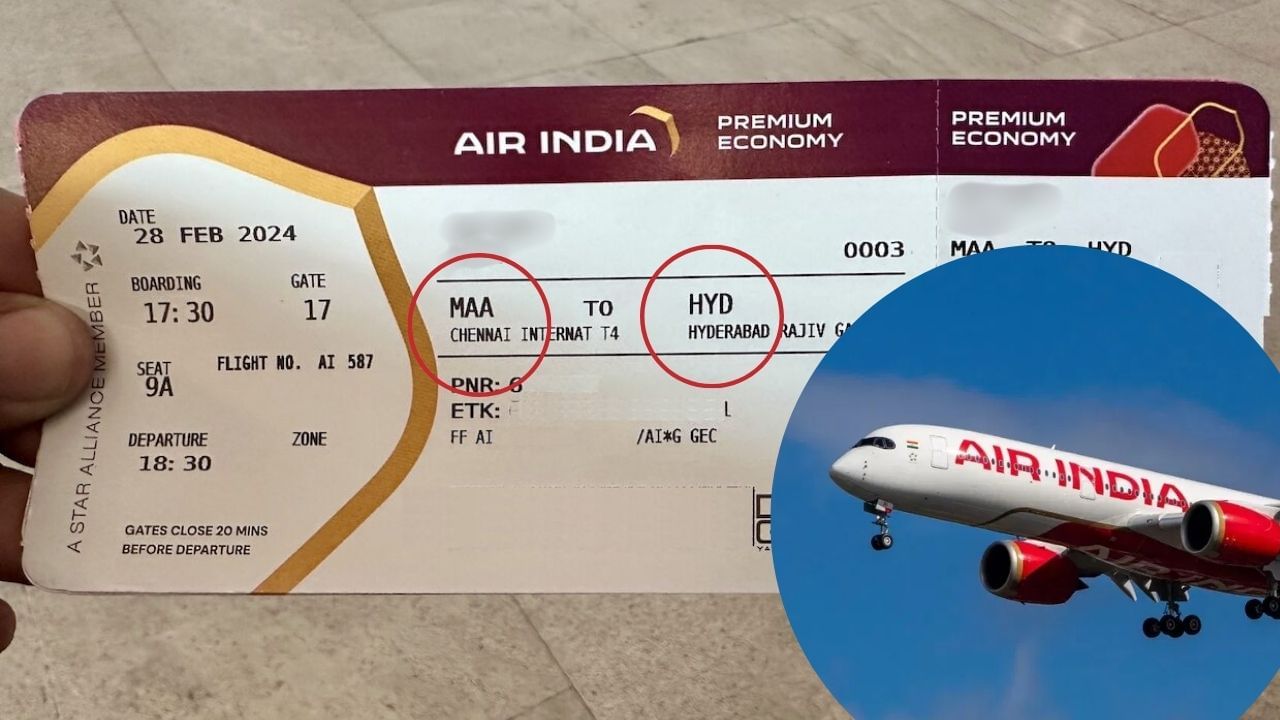
When booking flights, you’ve undoubtedly encountered airport codes, such as the common DEL-BOM, representing flights between Delhi and Mumbai. But what exactly are these codes? This article delves into the function and importance of these three-letter designations, especially with the upcoming launch of the Navi Mumbai International Airport (NMIA), which will use the code NMI. We’ll explore how and why these codes are assigned, and their significance in air travel.
The inauguration of the Navi Mumbai International Airport (NMIA) is planned for September 30th. The central government had previously set several deadlines: January 1, January 31, March 31, and June 2025. However, a visit by the Chief Minister and Deputy Chief Minister to the airport site in July confirmed the final date of September 30th.
These codes, often overlooked, are critical for the smooth operation of air travel. They are used to uniquely identify airports globally. These codes appear on tickets, baggage tags, and related documents. Air traffic controllers and pilots rely on them as well.
The International Civil Aviation Organization (ICAO) and the International Air Transport Association (IATA) are the main authorities issuing these codes. IATA assigns three-letter codes (like DEL), while ICAO assigns four-letter codes (like OEDF for Dammam/King Fahd International Airport). ICAO codes, also known as location indicators, are used by pilots and air traffic control for navigation. IATA codes, or IATA location identifiers, are used for identifying airports. IATA codes often derive from the first three letters of the city name, like DELHI for DEL.
Airport codes are designed for several purposes: Unique Identification, streamlining ticketing and baggage handling, and improving communication between pilots and air traffic control. Furthermore, the worldwide use of a standardized system facilitates seamless travel and the speed and convenience that shorter codes provide.
In India, a controversy arose regarding the code for Gaya airport (GAY). A BJP MP expressed concerns in Parliament, stating that the code could be considered offensive. The Minister of State for Civil Aviation responded that IATA codes are typically permanent and are only changed in exceptional cases, like safety issues. Moreover, codes usually use the first three letters of the airport’s location. While requests were made to change the Gaya code, IATA rules prevent alterations unless there are exceptional circumstances.
Examples of Airport Codes:
Mumbai: BOM (Chhatrapati Shivaji International Airport)
Kolkata: CCU (Netaji Subhas Chandra Bose International Airport)
Chennai: MAA (Chennai International Airport)
Delhi: DEL (Indira Gandhi International Airport)
Bengaluru: BLR (Kempegowda International Airport)
Hydrabad: HYD (Rajiv Gandhi International Airport)
Ahmedabad: AMD (Sardar Vallabhbhai Patel International Airport)
Jaipur: JAI (Jaipur International Airport)
Patna: PAT (Jay Prakash Narayan International Airport)
Srinagar: SXR (Sheikh ul-Alam International Airport)